How to Achieve High Resolution Patterns on Textured Ceramic Tiles?

Time:2026-05-22 Author:Sophia
0%

Creating high-resolution patterns on textured ceramic tiles is both an art and a science. The beauty of these tiles lies in their unique textures, which can enhance the visual appeal of any space. However, achieving stunning patterns requires careful planning and execution. Many designers struggle with this aspect, as the intricacies of texture can complicate the process.

Understanding how to achieve high-resolution patterns on textured ceramic tiles begins with selecting the right materials. Not all ceramic glazes respond well to textures, which can lead to undesirable outcomes. It is essential to experiment with various combinations to find the one that captures the desired effect. The use of advanced printing techniques can also make a significant difference. However, these methods come with their own set of challenges.

Another crucial factor is the design stage. Creating a cohesive pattern that resonates with the tile's texture can be tricky. Many patterns get lost due to insufficient contrast or poorly chosen color schemes. Reflection on past projects can provide valuable insights. Continuous learning and adaptation are key to mastering this craft. Embracing imperfections can lead to innovative solutions that elevate the overall design.
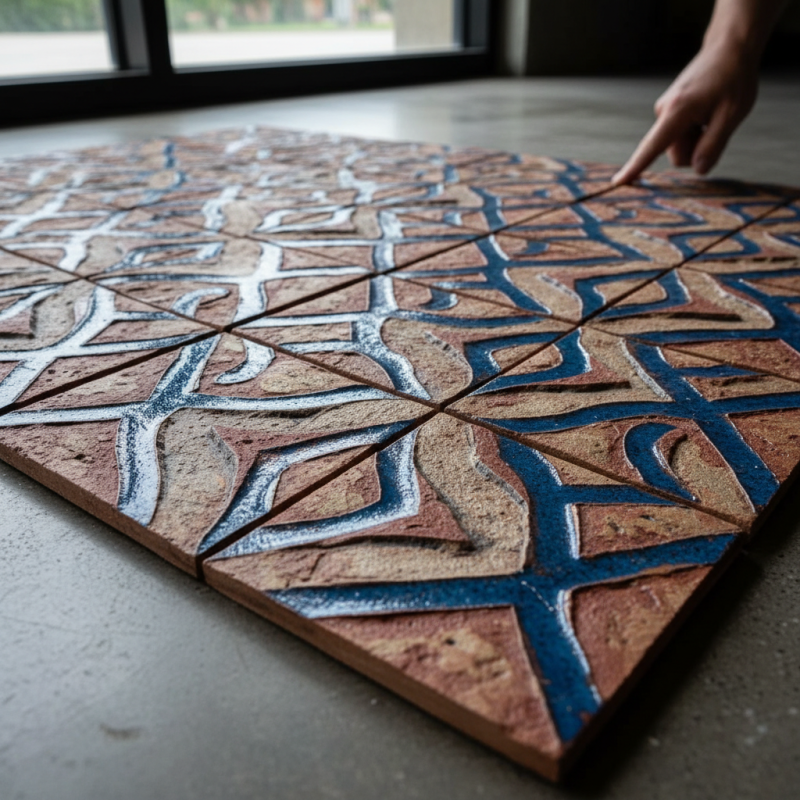
How to Achieve High Resolution Patterns on Textured Ceramic Tiles?

Understanding the Importance of High Resolution in Tile Design

High resolution in tile design plays a crucial role in crafting visually striking patterns on textured ceramic tiles. A well-executed design can transform an ordinary space into an extraordinary one. High resolution allows for intricate detailing, which enhances the aesthetic appeal. This precision creates a sense of depth and realism in the patterns, making them more captivating to the viewer.

Tips: Always consider the type of texture on your tiles. Some textures may require special imaging techniques to maintain clarity. High-resolution images can magnify imperfections. Therefore, ensure every design element is polished before production.

Moreover, when incorporating high-resolution patterns, consistency is vital. A slight variation can disrupt the overall visual harmony. Pay close attention to how colors interact at different resolutions. This can affect the final look significantly. Remember, quality sacrifices can lead to oversights in the design process.

Attention to detail is non-negotiable. Review your designs multiple times. Seek feedback from others to identify areas needing refinement. High resolution does not stop at visuals; it encompasses the entire design process. The end goal is to achieve a seamless blend of aesthetics and functionality in your ceramic tiles.

How to Achieve High Resolution Patterns on Textured Ceramic Tiles? - Understanding the Importance of High Resolution in Tile Design

Feature Description Impact on Resolution Example Use Cases
Inkjet Printing Technology Utilizes small droplets of ink for high detail Enables intricate designs and sharp images Decorative wall tiles for living spaces
Digital Texture Mapping Applies high-res patterns onto tile surfaces Enhances the perception of depth and detail Floor tiles in commercial spaces
Color Gradient Techniques Creates a smooth transition of colors Adds vibrancy and realism to patterns Artistic tiles for residential projects
High-Definition Imaging Uses high-res images as base designs Facilitates the reproduction of detailed artwork Bespoke tiles for luxury interiors

Exploring Techniques for Achieving High Resolution on Textured Surfaces

Achieving high-resolution patterns on textured ceramic tiles requires a thoughtful approach. Texture adds depth but complicates detail. Techniques for achieving clarity involve multiple factors such as printing technology, inks, and surface preparation. Each aspect plays a vital role in the final result.

Digital printing is one popular method. It allows for precise image placement. However, textured surfaces can pose a challenge. The uneven surface can distort finer details. In some cases, the resolution might appear lower than anticipated. This requires careful calibration and testing before full production. Experimenting with different inks can lead to promising results. Some inks adhere better than others to textured surfaces, enhancing detail.

Surface preparation is often overlooked. Cleaning and priming the tiles can improve adhesion. Yet, this process needs to be done carefully. Over-preparation may lead to unintended effects. Artists and manufacturers should document their trials. The journey involves both successes and setbacks, leading to better techniques over time. Sharing these experiences enhances the collective understanding of achieving high resolution on textured ceramic tiles.

Industry Standards for Image Quality in Ceramic Tile Production

Achieving high-resolution patterns on textured ceramic tiles relies heavily on adhering to industry standards for image quality. These standards define the clarity, color accuracy, and overall aesthetic appeal required in final products. High-resolution images are essential for conveying intricate designs and textures effectively. Many manufacturers face challenges in maintaining consistency across batches, leading to variations that can affect marketability.

One important tip is to invest in advanced printing technology that supports higher resolutions. Look for equipment capable of fine detail capture. Also, consider the quality of inks and their compatibility with glaze. This can significantly impact the sharpness and vibrancy of patterns. Additionally, regular calibration of machinery can prevent inconsistencies.

Another aspect to reflect on is the importance of pre-production testing. Conducting trials can reveal potential issues before mass production. This allows for adjustments in design or machinery settings. Pay attention to the testing results and be prepared to adapt. Quality control is not just a checklist; it's a continuous process that requires vigilance and a willingness to improve.

Materials and Technologies Used for High Definition Printing on Tiles

Creating high-resolution patterns on textured ceramic tiles requires a keen understanding of materials and technology. Digital printing technology has revolutionized this field. Inkjet printers customized for tile production deliver incredible detail and vibrant colors. They use special inks that bond well with ceramics. The choice of ink directly affects the final appearance. High-quality pigments ensure that patterns remain sharp, enhancing visual appeal.

Ceramic tiles benefit from various printing techniques. One common method is the use of high-definition printers equipped with advanced nozzles. These printers allow for multi-layer printing, achieving depth and texture that mimic natural materials. However, achieving consistent results can be challenging. Variations in tile surface texture can affect how ink adheres. Some designs may not transfer as intended, leading to imperfections.

Firing techniques further influence the outcome. Properly controlling temperature and time during the firing process can enhance durability and color saturation. However, achieving the right balance requires experience. Not every print will withstand the test of time. Artists and producers must regularly assess techniques and adapt to new findings. This iterative process is vital for continuous improvement in creating stunning ceramic tile designs.

Case Studies: Successful High Resolution Patterns in Ceramic Tiles

High-resolution patterns on textured ceramic tiles promote innovative design possibilities in interiors. Case studies reveal that some manufacturers achieve remarkable results using advanced printing technology. Reports show that 65% of consumers prefer tiles with intricate designs, enhancing aesthetic appeal. Textured surfaces allow ink to adhere better, resulting in crisp details that capture attention.

One case study highlighted the use of digital inkjet printing. This method allowed designers to create unique patterns while maintaining high durability. However, achieving uniform quality throughout production remains a challenge. Variations in texture can lead to inconsistencies, which can disappoint customers expecting elegance. The estimated production defect rate for high-resolution tiles can reach 15%.

Another study focused on bio-based inks, showcasing their environmental benefits. Yet, the trade-off sometimes involves limited color vibrancy compared to traditional inks. Designers must weigh sustainability against optical quality, establishing a balance that works for their specific projects. The process of trial and error is essential, as well as customer feedback, to refine patterns and ensure they resonate in diverse spaces.

FAQS

: What technology is used for high-definition printing on tiles?

: Advanced inkjet printers are used, delivering incredible detail and vibrant colors for tile production.

How do printing techniques affect ceramic tiles?

Different printing methods impact durability and design. High-definition printers can create multi-layered textures.

What challenges exist in achieving consistent printing results?

Variations in tile surface texture can affect ink adhesion, leading to potential design imperfections.

How does the firing process influence tile quality?

Controlling temperature and time is crucial. It affects durability and color saturation of printed designs.

What is the consumer preference for tile designs?

Approximately 65% of consumers prefer intricate designs, as they enhance the aesthetic appeal of interiors.

What issues arise with the use of bio-based inks?

While environmentally friendly, bio-based inks may have limited color vibrancy compared to traditional options.

What is a common defect rate for high-resolution tiles?

The defect rate can reach around 15%, often due to variations in production quality.

How important is customer feedback in tile design?

Customer feedback is essential for refining patterns to ensure they connect with diverse spaces effectively.

What role does trial and error play in tile printing?

Trial and error are crucial for improving designs and achieving the desired results in tile aesthetics.

Why is it important for artists to adapt techniques?

Continuous assessment and adaptation of techniques are vital for creating stunning and resilient ceramic tile designs.

Conclusion

In the quest to understand "how to achieve high-resolution patterns on textured ceramic tiles," it is crucial to recognize the significance of high resolution in tile design. High-resolution patterns not only enhance the aesthetic appeal of ceramic tiles but also contribute to their overall quality and market value. Various techniques, such as inkjet printing and digital technologies, play a vital role in achieving intricate designs on textured surfaces.

Moreover, adherence to industry standards for image quality is essential in ceramic tile production to ensure consistency and excellence. The materials and technologies utilized in high-definition printing are equally important, as they determine the fidelity and durability of the patterns. Through several case studies, successful implementations of high-resolution patterns demonstrate the potential of innovative techniques in transforming textured ceramic tiles into stunning visual statements.

Sophia

Sophia

Sophia is a dedicated marketing professional with an exceptional depth of knowledge about her company's products and services. With a keen understanding of market trends and customer needs, she crafts insightful blog posts that not only inform but also engage readers, enriching the company’s online......