In the realm of large format printing, ink waste is a pressing issue. A report by Smithers Pira highlights that up to 30% of ink can go to waste during the printing process. This waste not only increases costs but also has environmental implications. The industry is calling for innovative strategies on how to reduce ink waste in large format printing.
Two primary factors contribute to ink waste. First, improper calibration of printers leads to excessive use. Second, poor color matching can prompt unnecessary reprints. A 2022 study from the Printing Industries of America reveals that businesses are losing significant profits due to these inefficiencies. Many companies struggle to find effective solutions.
Addressing this challenge requires both experience and technical expertise. Companies are increasingly looking for ways to optimize their workflows and reduce waste. Implementing better training for staff can make a significant difference. Regular maintenance of equipment is also crucial for improving efficiency. The goal is not just to reduce waste but to create a more sustainable printing process.
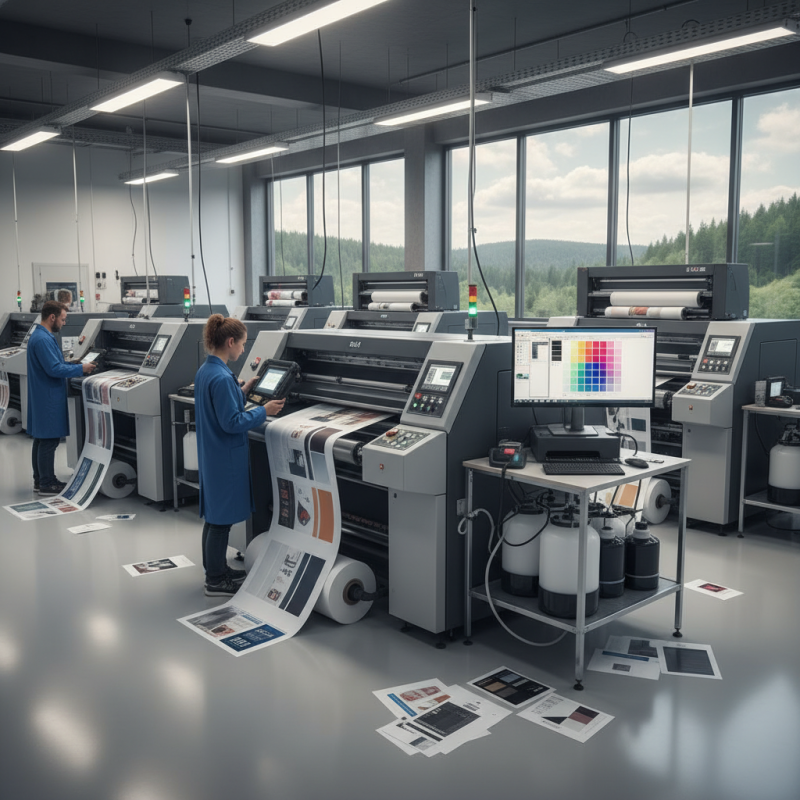
Color calibration is crucial in large format printing. It ensures that the printed colors closely match the digital images. Accurate calibration reduces ink waste significantly. When colors are off, printers often waste ink trying to achieve the desired shades. This issue can arise from several factors.
One common mistake is not regularly calibrating the printer. Environmental changes, like humidity and temperature, can affect color consistency. A well-calibrated printer delivers consistent results, which minimizes trial and error. This means less ink is wasted in the process. Using color profiles that suit specific media types is also important. This helps in achieving the right output with less ink consumption.
Additionally, consider using spectrophotometers for precise measurements. These devices help in adjusting the color settings accurately. Regular maintenance is vital too. Check for clogged nozzles or outdated software. Neglecting these can lead to unexpected issues and increased ink use. Regularly reflecting on these practices can lead to better outcomes and reduced waste.
Optimizing print settings is crucial for reducing ink waste in large format printing. One effective method is adjusting the resolution. Higher resolutions consume more ink. For many projects, a lower resolution may suffice. Test different settings to find a balance.
Another area to explore is the use of color profiles. Custom color profiles can lead to more accurate ink usage. They can help in achieving the desired colors without excess ink. Many printers allow customization of color settings. Experimenting with these profiles can yield surprising results.
Monitoring your print jobs is essential. Sometimes, test prints are necessary. They can reveal how much ink is used for specific designs. You may notice that some colors require excessive amounts of ink. By refining your designs, you can minimize waste. Reflections on previous jobs can guide future adjustments. Each print provides learning moments for improvement.
In large format printing, efficient workflow techniques can significantly reduce ink waste. Understanding how ink works is vital. Efficient calibration of printers ensures accurate color reproduction. Regular maintenance is essential to prevent ink clogging. Small adjustments can lead to more precise ink usage.
Training staff is critical. Knowledgeable operators reduce errors. They learn to optimize settings and minimize waste. Implementing a feedback loop allows teams to assess outcomes and improve processes. Simple changes in paper alignment or ink density can impact overall efficiency.
Monitoring ink consumption is equally important. Tracking usage helps in identifying patterns. Analyzing data reveals opportunities for further reductions. By embracing these strategies, printing facilities can create a more sustainable operation. Reflection on past methods can lead to deeper insights. Embracing these practices may not be perfect, but they guide improvement.
The ink used in large format printing can significantly impact our environment. A study by the Environmental Protection Agency (EPA) reveals that up to 60% of ink goes to waste during printing processes. This waste contributes to paint-related pollution in landfills. Utilizing eco-friendly inks is not just a trend, but a necessity for sustainable practices in the printing industry.
Eco-friendly ink options, like soy-based and vegetable-based inks, are becoming more popular. These inks produce less volatile organic compounds (VOCs), which are harmful to both human health and the environment. According to the Green Seal, using these inks can reduce carbon emissions by up to 30%. This shift creates a dual benefit—improving quality and minimizing waste.
Despite these advances, challenges remain. Not all eco-friendly options provide the same color vibrancy or permanence as traditional inks. Companies must invest in research to improve these inks. Moreover, the adoption of these alternatives may require additional training for staff. Embracing these changes is crucial, but it is not without its difficulties. Nonetheless, the path toward sustainability in printing is possible through commitment and innovation.
| Method | Description | Benefits | Sustainability Rating (1-5) |
|---|---|---|---|
| Eco-Friendly Inks | Inks made from renewable resources that reduce toxic emissions. | Lower environmental impact and improved safety during handling. | 5 |
| Printhead Maintenance | Regular servicing of printheads to prevent clogs and wastage. | Increased print quality and reduced wastage from dried ink. | 4 |
| Color Management | Utilizing software to ensure accurate color consumption. | Minimizes overuse of colors and optimizes ink usage. | 4 |
| Ink Recycling Programs | Programs that allow for the collection and recycling of unused inks. | Reduces waste and promotes circular economy. | 5 |
| Dynamic Print Modes | Adjusting print settings based on the job requirements. | Saves ink by scaling the quality based on need. | 4 |
Regular maintenance is crucial in large format printing to minimize ink waste. Surveys indicate that 30% of ink is wasted due to equipment malfunctions or improper handling. Routine cleaning of print heads and nozzles can prevent clogs that might lead to excess ink usage. A lack of maintenance can result in inconsistent print quality, forcing operators to waste materials in reprints.
Schedule regular inspections to check for wear and tear on components. Reported data shows that 65% of printing companies do not adhere to maintenance schedules. This neglect not only increases ink consumption but also exacerbates equipment failures. By employing structured maintenance routines, printers can save up to 20% on ink costs.
Yet, many facilities underestimate the importance of maintaining printing equipment. Inconsistent maintenance yields unpredictable results, leading to excess waste and reprints. It is critical to train staff on best practices to handle inks and materials efficiently. Adopting these habits can lead to more sustainable printing operations, reflecting a commitment to reducing waste beyond mere compliance.
: Efficient workflow reduces ink waste and improves sustainability in large format printing.
Regular maintenance prevents clogs and ensures consistent print quality, reducing excess ink usage.
Trained operators can optimize printer settings and minimize mistakes, enhancing overall efficiency.
Regular inspections should be scheduled to identify wear and prevent malfunctions.
Surveys show that about 30% of ink waste is linked to equipment issues.
Tracking ink usage reveals patterns and identifies areas for improvement and waste reduction.
Adjustments in paper alignment or ink density can significantly enhance overall workflow.
Reports indicate that 65% of printing companies often neglect maintenance schedules.
Yes, structured routines can save printing facilities up to 20% on ink costs.
Inconsistent maintenance leads to unpredictable results, driving up waste and costs.
In the pursuit of sustainability, understanding how to reduce ink waste in large format printing is essential for both economic and environmental reasons. Best practices such as color calibration ensure accurate color reproduction, which directly minimizes excess ink usage. Additionally, optimizing print settings can significantly lower ink consumption by adjusting parameters tailored for specific jobs.
Implementing efficient workflow techniques streamlines processes within printing facilities, reducing unnecessary waste from misprints and revisions. Utilizing eco-friendly ink options not only supports sustainability efforts but also enhances the overall efficiency of printing operations. Regular maintenance of printers is crucial; it helps in preventing issues that may lead to ink wastage, ensuring that printers operate at peak performance. By adopting these strategies, businesses can achieve both cost savings and a positive impact on the environment.

DD-Tech Print