Why is My Ceramic Tile Printer Clogging Often Best Solutions?

Time:2026-08-07 Author:Mason
0%

In the fast-evolving ceramic printing industry, many professionals grapple with the common issue of clogs. A significant question arises: "Why is my ceramic tile printer clogging so often?" This concern impacts production efficiency and the quality of printed tiles. Industry expert Dr. Jane Thompson states, “Clogs can stem from multiple factors, including ink composition and maintenance routines.”

According to a report from the Ceramic Manufacturing Association, nearly 45% of operators experience printer clogs frequently. This statistic underscores the urgency of addressing this issue. Understanding the causes can lead to effective solutions. Ink viscosity, print head maintenance, and environmental conditions all play critical roles in preventing clogs. Collectively, they contribute to achieving a smooth printing process.

It’s clear that printer maintenance is not just an afterthought; it is crucial for sustaining operational efficiency. Regular checks and proper ink handling practices can significantly reduce clogging incidents. However, many operators overlook these details, leading to repeated frustrations. The journey to better printing performance starts with addressing the persistent question of clogs.
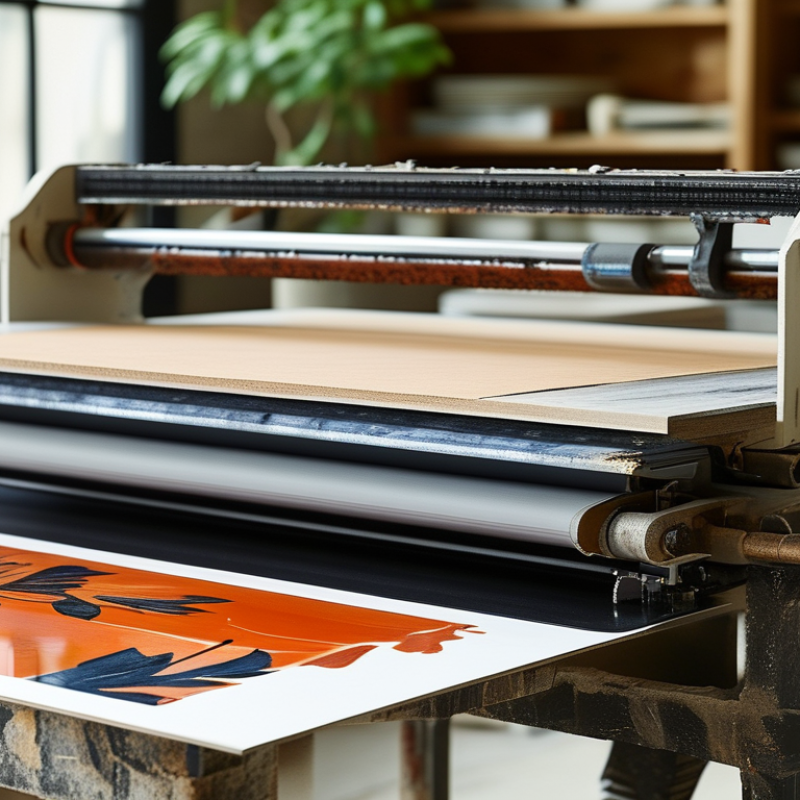
Why is My Ceramic Tile Printer Clogging Often Best Solutions?

Understanding Common Causes of Clogging in Ceramic Tile Printers

Clogging in ceramic tile printers can be a significant issue. One common cause is ink viscosity. If the ink is too thick or has been stored improperly, it can easily obstruct the print head. Check your ink regularly, especially if it's been sitting for a while. Look for any signs of separation.

Another factor contributing to clogging is insufficient maintenance. Neglecting to clean the print head and nozzles often leads to buildup. Regular cleaning should be a part of your routine. Set reminders to maintain your printer. It’s easy to overlook, but essential.

Dust and debris in the environment can also play a role. Ensure your workspace is clean and free from particles that could settle on the printer. This can be a constant challenge in ceramic production areas. Recognizing these factors allows for more efficient printing and less frustration. Adapting your practices with these insights can make a noticeable difference.

Impact of Ink Viscosity on Clogging Occurrences in Ceramic Printing

Ink viscosity plays a crucial role in preventing clogs in ceramic printers. High viscosity inks are thicker and can lead to blockages in print heads. These clogs often result in inconsistent printing quality and can disrupt workflow. A balance between fluidity and viscosity is essential to maintain optimal printing performance.

Adjusting ink formulation can help reduce clogging issues. Using additives can improve flow without compromising color quality. Regular maintenance, such as cleaning print heads, is equally important. Neglecting these practices may lead to more frequent clogs, causing delays in production.

Understanding your printing environment is vital. Variations in temperature and humidity can affect ink viscosity. Experimenting with ink formulations based on specific conditions can yield better results. It is not always a straightforward process, and trial and error may be necessary to find the right balance.

Maintenance Tips to Prevent Clogging in Ceramic Tile Printers

Ceramic tile printers are practical tools, but clogging is a common issue. Regular maintenance can significantly decrease the frequency of these clogs.

To start, always clean the nozzles thoroughly. Build-up often occurs from ink residue. Use a soft, lint-free cloth to wipe the nozzle area regularly. This small step can prevent larger problems later. Additionally, ensure you're using quality ink. Poor-quality inks can cause more clogs and lead to inconsistent prints.

Another helpful tip is to regulate the humidity in your printing area. High humidity can cause inks to thicken and create blockages. Aim for a stable environment with moderate humidity levels. If clogs persist, consider running a cleaning cycle more frequently. This proactive approach helps maintain your printer’s performance.

Remember, inspection is vital. Regularly check for loose components or damaged parts. Addressing issues early can save you time and frustration. Even small adjustments can lead to smoother operation.

Why is My Ceramic Tile Printer Clogging Often Best Solutions? - Maintenance Tips to Prevent Clogging in Ceramic Tile Printers

Maintenance Tip Description Frequency Effectiveness
Regular Cleaning Clean the print head and nozzles to remove any build-up. Weekly High
Use Quality Inks Ensure that inks used are compatible with the printer to minimize clogging. Every Use Very High
Humidity Control Maintain a stable environment to prevent moisture-related issues. Daily Moderate
Check Filters Ensure that the printer filters are clean and functional to prevent blockages. Monthly High
Regular Maintenance Checks Perform scheduled maintenance to identify issues before they worsen. Quarterly Very High

Utilizing the Right Print Head Technology to Reduce Clogging Risks

Ceramic tile printers often face the frustrating issue of clogging. Choosing the appropriate print head technology can significantly minimize this problem. Quality print heads are designed to withstand the specific conditions of ceramic inks, reducing the chances of clogs. For example, certain heads can handle higher viscosity inks, making them less prone to blockages.

One effective tip is regular maintenance. Clean the print head frequently to prevent buildup. Using the right cleaning solutions can enhance the lifespan of your print head. Also, monitor the humidity and temperature in your workspace. Extreme conditions can affect ink behavior, leading to clogs.

Consider your ink choice. Water-based inks tend to be less viscous and may flow better through the print head. However, they can also dry quickly if left idle. Keeping the ink fresh and properly mixed is essential. Inspect for particle contamination in inks before use. This can prevent clogging issues before they start. Always stay informed about the latest practices in print head technology and maintenance to ensure optimal performance.

Causes of Clogging in Ceramic Tile Printers

This bar chart illustrates the reasons for clogging incidents in ceramic tile printers. Each factor represents its contribution to the likelihood of clogs occurring per 1000 prints. Understanding these factors can help in choosing the right print head technology and making necessary adjustments to reduce clogging risks.

Best Practices for Cleaning and Maintaining Ceramic Tile Printers

Ceramic tile printers are essential in the ceramics industry. However, many users face frequent clogging issues, which can disrupt production. A recent industry study indicated that nearly 40% of manufacturers experience this problem. Understanding the best practices for cleaning and maintaining these printers can significantly reduce downtime and improve efficiency.

Daily maintenance is crucial. Cleaning the printheads and ensuring the appropriate viscosity of ink can prevent clogs. Experts recommend using a dedicated cleaning solution regularly. This solution can dissolve residue effectively, which leads to smoother operation. The study highlights that proper cleaning can enhance a printer's lifespan by up to 25%.

Additionally, monitoring environmental conditions plays a significant role. High humidity and dust accumulation can exacerbate clogging issues. Keeping work areas clean may not seem glamorous but can yield substantial benefits. Even with best practices, users should reflect on their maintenance routines. Regularly assessing equipment performance ensures that operators stay ahead of potential problems.

FAQS

: Why is ink viscosity important in ceramic printing?

: Ink viscosity prevents clogs in print heads, maintaining consistent quality.

How can I reduce clogging issues?

Adjust ink formulation and use additives to improve flow.

What maintenance should I perform regularly?

Clean the print heads frequently to avoid buildup and clogs.

How do environmental conditions affect ink viscosity?

Temperature and humidity variations can change ink behavior, leading to clogs.

What print head technology minimizes clogging risks?

Quality print heads handle specific ceramic inks better, reducing blockages.

What type of ink is less prone to clogging?

Water-based inks are less viscous and flow better, but may dry quickly.

How can daily maintenance improve printer efficiency?

Regularly cleaning print heads can enhance operation and prolong equipment lifespan.

What’s a common mistake users make with ink?

Leaving ink idle can cause it to dry and lead to clogging issues.

Should I always follow the same maintenance routine?

Reflect on practices often; regular assessment helps prevent problems.

Can workspace cleanliness affect printing performance?

Yes, a clean workspace can reduce dust accumulation and improve printer efficiency.

Conclusion

Understanding why your ceramic tile printer is clogging so often involves examining several common causes, including ink viscosity and inadequate maintenance practices. Ink viscosity can significantly influence clogging occurrences in ceramic printing, as thicker inks tend to block print heads more frequently. To mitigate these issues, regular maintenance is essential. Implementing consistent cleaning routines and employing the right print head technology can greatly reduce the risk of clogs.

Additionally, adopting best practices for both cleaning and maintaining your ceramic tile printer ensures optimal performance and longevity of the equipment. By addressing the factors contributing to clogging, such as ink quality and printer upkeep, you can effectively answer the question: "Why is my ceramic tile printer clogging so often?" By taking proactive measures, you can enhance the reliability of your printing processes and achieve better results.

Mason

Mason

Mason is a seasoned marketing professional with a deep expertise in the company's offerings and a passion for driving brand awareness. With a strong background in digital marketing strategies, he has an innate ability to connect with diverse audiences and effectively communicate product benefits.......