Digital printing has emerged as a revolutionary approach in the printing industry. Many businesses are now asking, "Why is digital printing more sustainable than traditional methods?" This question significantly impacts environmental considerations. Unlike traditional printing, digital printing uses less energy and fewer resources. It minimizes waste and reduces chemical use.
Digital printing produces less paper waste. It allows for on-demand printing, reducing excess inventory. This method also saves water and energy during production. Such benefits highlight its ecological advantages. However, some may argue that the equipment costs can be high. Initial investments in digital technology can be daunting, especially for small businesses.
Despite these challenges, the long-term sustainability of digital printing presents a compelling case. As more industries acknowledge its benefits, a larger shift to greener practices is encouraged. Overall, understanding the environmental impacts of these methods is crucial for future developments. Embracing digital printing can foster a healthier planet, making it a choice worth considering.
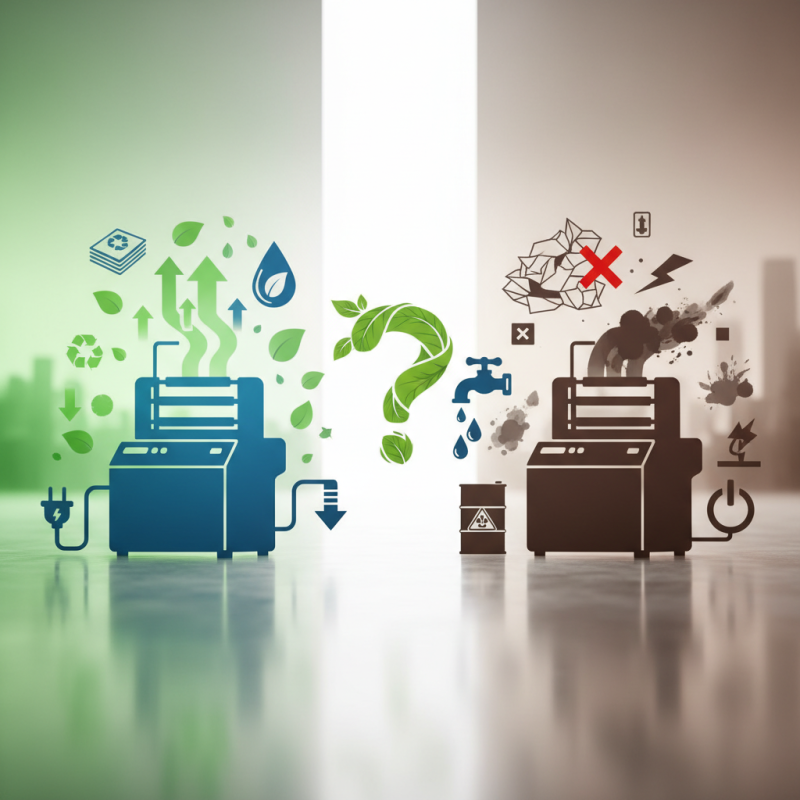
Digital printing is gaining attention for its environmental benefits. Unlike traditional printing, it uses less ink and generates less waste. This process often requires fewer resources, making it a more sustainable option. When printing graphics and images, digital methods allow for precise use of colors. This precision minimizes excess, reducing overall consumption.
The lack of a need for printing plates in digital printing is another advantage. Traditional methods often waste materials during the setup phase. By skipping this step, digital printing cuts down on unnecessary resources. Each project can be tailored to exact specifications, further decreasing waste.
However, it is essential to consider the environmental impact of digital technologies. While less waste is produced, the energy consumption of high-quality printers can be significant. The production of these machines also has a carbon footprint. Careful management and choosing energy-efficient models is crucial. Balancing these factors leads to a more environmentally friendly approach.
Digital printing has emerged as a more sustainable alternative to traditional printing methods. One of the main advantages lies in resource usage. Digital printing requires less paper because it allows for precise printing only when needed. In contrast, traditional printing often involves large setup times and waste. Calculating waste, it's estimated that traditional methods can produce up to 30% excess paper waste.
Furthermore, digital printing uses fewer chemicals. Traditional methods often rely on toxic inks and solvents that can harm the environment. Digital printing technology typically employs water-based inks, which are less harmful. This shift reduces chemical runoff and pollution, contributing to a greener printing process.
However, not all digital printing solutions are equally eco-friendly. The energy consumption of digital printers can be relatively high. While they minimize waste, the electricity used in their operation can negate some environmental benefits. This inconsistency highlights the need to evaluate specific digital printing practices. Sustainable practices must be prioritized to ensure true environmental benefits.
Digital printing significantly reduces waste compared to traditional printing methods. A study by the Environmental Protection Agency highlights that digital processes can minimize paper waste by up to 30%. This reduction stems from on-demand printing, where only required copies are produced, unlike traditional methods that often overprint.
In traditional printing, setup involves large print runs. This can lead to excess waste, as unsold copies may end up in landfills. With digital printing, jobs are smaller and tailored precisely to demand. The capability to print small volumes helps mitigate overproduction. According to industry research, digital printing generates less than 5% spoilage during production, a stark contrast to the 20% spoilage rate commonly seen in traditional methods.
Another aspect worth considering is the ink and materials used. Digital printers often utilize eco-friendly inks, which further reduces environmental impact. However, challenges remain. The technology is still evolving, and some digital processes may rely on non-biodegradable components. As the industry advances, ongoing improvements in sustainability practices are critical in maximizing the environmental benefits of digital printing.
Digital printing technology stands out for its energy efficiency. Unlike traditional methods, which often waste vast amounts of energy, digital printing minimizes this waste. It employs advanced techniques that reduce the time and energy needed for production. This results in a smaller carbon footprint compared to conventional practices.
Traditional printing often requires large machinery and complex setups. This can lead to higher energy consumption. Digital printing, on the other hand, often uses smaller machines that operate more efficiently. The energy used during the printing process is significantly less. Many digital processes also allow for on-demand printing, further conserving energy by avoiding overproduction.
Additionally, digital technology often utilizes eco-friendly inks and materials. This not only reduces harmful emissions but also limits the energy involved in production and waste management. There is room for improvement, though. As the technology evolves, addressing energy consumption in digital processes remains a point for reflection and development. Exploring how to reduce costs while maintaining efficiency will push the industry closer to a truly sustainable future.
| Printing Method | Energy Consumption (kWh per 1,000 Pages) | Waste Generation (kg per 1,000 Pages) | Setup Time (minutes) | Recyclability |
|---|---|---|---|---|
| Digital Printing | 20 | 2 | 5 | High |
| Traditional Printing | 50 | 10 | 30 | Low |
Digital printing is gaining traction for its ability to reduce carbon footprints. Unlike traditional methods, digital printing eliminates the need for extensive setup. It consumes less energy, thereby lowering greenhouse gas emissions. A study by the Print Industry Association reveals that digital printing can reduce energy consumption by up to 50%. This significant reduction highlights the environmental benefits of digitized processes.
Furthermore, digital printing minimizes waste. Traditional printing often requires large print runs to be cost-effective, leading to excess unused materials. The Environmental Protection Agency states that nearly 20% of paper is wasted in conventional printing. In contrast, digital printing is ideal for small runs, allowing companies to print only what they need. This not only conserves resources but also limits the disposal of unused prints.
Despite these advantages, digital printing does have limitations. The cost per unit may be higher for small batches compared to traditional methods. This can deter smaller businesses from adopting digital technologies. However, the long-term environmental benefits and potential for carbon footprint reduction could outweigh initial costs. Companies must weigh these factors as they consider the shift toward greener printing solutions.
This chart illustrates the average carbon emissions associated with conventional and digital printing methods. Digital printing is shown to have a significantly lower carbon impact, making it a greener choice compared to traditional printing techniques.
: Digital printing uses less ink and generates less waste, making it more sustainable than traditional printing.
It eliminates the need for printing plates, minimizing excess material used during setup.
Digital printing typically uses water-based inks, reducing harmful chemical runoff compared to traditional methods.
Yes, high-quality digital printers can have significant energy consumption, which should be carefully managed.
Traditional methods can generate up to 30% excess paper waste due to large setup requirements.
No, not all digital printing solutions are equally eco-friendly; some can still consume a lot of energy.
On-demand printing reduces energy and material waste by producing only what is necessary at the moment.
Advanced techniques in digital printing minimize production time and energy use, lowering the carbon footprint.
Yes, choosing energy-efficient models is crucial for maximizing environmental benefits.
Definitely. Continuous exploration of energy savings and efficient practices can enhance sustainability efforts.
Digital printing is increasingly recognized as a greener choice than traditional printing methods for several compelling reasons. Firstly, the benefits of digital printing for the environment are significant, as it tends to minimize resource usage, including paper and ink. In contrast to traditional printing, which often requires large volumes of materials for setup, digital printing allows for more efficient production runs, drastically reducing waste.
Moreover, digital printing technology enhances energy efficiency, utilizing less power during operation and contributing to a lower overall carbon footprint. By adopting digital printing, companies can effectively reduce their environmental impact, leading us to the question: Why is digital printing more sustainable than traditional methods? The answer lies in its resource optimization, waste reduction, and energy conservation, making it a more eco-friendly option for modern printing needs.

DD-Tech Print