In the realm of digital textile printing, how to improve color accuracy in digital textile printing is a pressing concern. Color accuracy is crucial for achieving vibrant and true-to-life prints. With the increasing demand for high-quality textiles, there is a need for precise color reproduction. Various factors impact color accuracy, including printer calibration, color profiling, and ink selection.
Many professionals in the textile industry face challenges in maintaining consistency across different batches. This inconsistency can lead to significant losses. The technology behind digital printing is evolving rapidly, but many users still struggle with these complexities. Understanding how to navigate these challenges is essential for success.
Investing time in proper training and utilizing advanced color management tools can yield better results. However, even with the latest technology, overcoming every hurdle remains a work in progress. Reflecting on these limitations can lead to improvements in processes and outcomes in the digital textile printing industry.
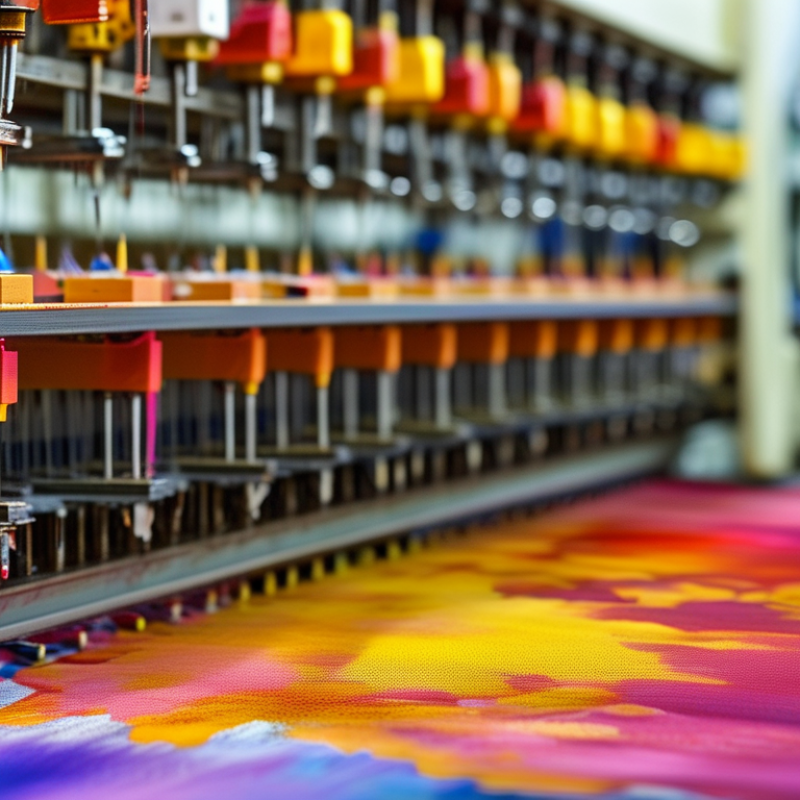
Understanding Color Theory in Digital Textile Printing
Understanding color theory is crucial in digital textile printing. It impacts how colors appear, interact, and are perceived. Color theory involves the color wheel, which organizes colors into primary, secondary, and tertiary categories. This wheel assists in predicting color combinations and their effects. Using complementary colors can create striking contrasts, while analogous colors can produce harmonious designs.
In the realm of digital printing, the RGB and CMYK color models also play vital roles. RGB is ideal for screen displays and represents colors through red, green, and blue light. In contrast, CMYK uses cyan, magenta, yellow, and black for printing. Choosing the correct model impacts color reproduction. Misunderstanding this can lead to disappointing outcomes in prints.
Color perception varies among individuals. Factors like lighting and material can alter how colors are viewed. This variability highlights the importance of testing and adjusting colors in a controlled environment. Not every design translates perfectly from digital to fabric. Awareness of these challenges fosters a more thoughtful approach to digital textile printing. It requires continuous learning and adaptation to improve accuracy.
Importance of Color Calibration for Accurate Textile Outputs
Color calibration is vital for achieving accurate textile outputs in digital printing. The textile industry faces challenges with color consistency due to varying factors in production processes. According to a study by the International Color Consortium, over 30% of printed textiles show unacceptable color discrepancies. This highlights the urgent need for proper color management practices.
Effective color calibration processes help minimize these discrepancies. They ensure that colors are reproduced consistently across different printers and substrates. Regular calibration can lead to a reduction in material waste. A survey by Smithers Pira indicates that companies that implement color management reduce reprints by up to 25%. This not only boosts efficiency but also enhances overall customer satisfaction.
In practice, many companies overlook the importance of routine calibration. Some rely on outdated methods or fail to align their technology correctly. This can lead to poor color matching and client dissatisfaction. By investing in proper calibration tools and training, businesses can drastically improve their color accuracy. The textile market is evolving; embracing reliable color calibration is essential for staying competitive.
Evaluating Ink and Substrate Compatibility for Enhanced Color Accuracy
Evaluating ink and substrate compatibility is crucial for achieving enhanced color accuracy in digital textile printing. The interaction between ink and fabric can significantly influence color reproduction. A study from the Industrial Fabrics Association International (IFAI) indicates that 70% of color discrepancies in printed textiles are due to mismatched ink and substrate combinations.
When selecting inks, it's important to prioritize formulation. Water-based inks often deliver vibrant colors on cotton, but may fall short on synthetic fabrics. Likewise, pigment inks might adhere well to synthetic substrates but can lack vibrancy on natural materials. A thorough assessment of substrate absorption and ink viscosity can also lead to better results.
Testing different combinations is necessary yet often neglected. Some may assume a universal ink will work across various fabrics, but that’s rarely the case. Reports have shown that using the wrong ink can decrease color fidelity by up to 40%. This emphasizes the need for a more thoughtful approach to ink and substrate selection, especially in a competitive market where color precision can make or break a project.
Utilizing Advanced Color Management Software in Printing Processes
In digital textile printing, color accuracy is crucial for achieving desired results.
Advanced color management software can significantly enhance this aspect.
According to a recent report by the International Textile and Apparel Association,
accurate color representation can reduce production errors by up to 30%.
This means less fabric waste and higher customer satisfaction.
Using sophisticated software tools allows printers to calibrate their machines effectively.
These tools analyze color data and help set precise color profiles.
However, implementing such software is not always straightforward.
Many users struggle with initial setup and ongoing adjustments.
In fact, a survey revealed that 40% of operators reported difficulties in achieving consistent color matching
even with advanced software in place.
Further complexities arise when integrating with existing workflows.
Software must communicate smoothly with printers, and this integration can often lead to technical challenges.
Companies must invest time in training staff to use these tools properly.
This is not always feasible, especially for smaller operations.
Developing a solid understanding of color theory alongside software training is essential for maximizing results
in digital textile printing.
Case Studies: Successful Implementation of Color Accuracy Techniques
Digital textile printing has revolutionized the fashion and interior design industries. However, achieving color accuracy remains a challenge. Successful case studies reveal effective techniques for enhancing color fidelity.
One notable example involved a small fabric manufacturer. They faced issues with color misalignment during production. By implementing color profiling and a calibrated workflow, they saw a drastic improvement. Regular color checks using spectrophotometers became part of their process. This ensured that the colors matched consistently across different batches. Adjustments were made based on real-time feedback, showcasing their commitment to quality.
Another case study highlights a fashion brand that struggled with customer complaints about color discrepancies. The brand began collaborating with textile experts. Together, they developed a standardized color library. This reference guide minimized variations during printing. Implementing controlled lighting in their studios further improved color assessments. The results were noticeable. Customers appreciated the consistent colors seen online and in stores. They reduced returns significantly.
These stories illustrate that while achieving color accuracy may seem daunting, practical strategies can lead to success. Continuous improvement and reflection on processes are essential for maintaining those standards.
How to Enhance Color Accuracy in Digital Textile Printing?
| Technique |
Description |
Benefits |
Case Study Example |
| Color Calibration |
Regularly calibrating printers and monitors to ensure accurate color representation. |
Consistent color output across different devices, improved client satisfaction. |
A textile printing firm improved color matching precision by 30% through monthly calibrations. |
| Profile Creation |
Developing ICC profiles specific to the printer, ink, and fabric combination. |
Enhanced color reproduction accuracy, reduced material waste. |
A company created 15 unique profiles, resulting in a 25% decrease in color discrepancies. |
| Ink Selection |
Choosing the right inks that offer better color fastness and vibrancy. |
Improved durability of prints, better customer feedback. |
A business switched to a new ink supplier and saw an increase in color vibrancy by 40%. |
| Dye Sublimation Techniques |
Using dye sublimation for transferring dye onto textiles for vivid colors. |
Better color accuracy on polyester fabrics, excellent wash fastness. |
A firm focused on sportswear saw a 50% improvement in color matching under different lighting. |
| Quality Checks |
Implementing stringent quality checks during various stages of the printing process. |
Early identification of color discrepancies, reduced rework and waste. |
An organization reduced color-related complaints by 60% with a new QA process. |
Conclusion
Enhancing color accuracy in digital textile printing is crucial for achieving high-quality outputs that meet industry standards. To improve color accuracy in digital textile printing, it is essential to grasp the fundamentals of color theory and how it applies to different fabrics and inks. Color calibration plays a vital role, as it ensures that the colors printed align closely with the intended design, minimizing discrepancies.
Additionally, evaluating the compatibility of inks and substrates is necessary for achieving vibrant and true-to-life colors. Utilizing advanced color management software can streamline the printing process and improve overall color consistency. Through case studies showcasing successful implementations of these techniques, it is evident that a systematic approach to color accuracy can significantly enhance the quality and appeal of digitally printed textiles.

 DD-Tech Print