Environmental Benefits of Digital Glazing Machines in China?

Time:2026-05-05 Author:Sophia
0%

In recent years, the adoption of digital glazing machines in China has gained momentum. These machines provide innovative solutions for the glazing industry. However, a key question arises: What are the environmental benefits of digital glazing machines?

Digital glazing machines significantly reduce waste. Traditional methods often produce excess materials. In contrast, digital machines optimize resources. This efficiency leads to lower energy consumption during production. Moreover, the precision of these machines results in less material being discarded.

Additionally, these machines contribute to cleaner production processes. Enhanced automation limits human error and enhances consistency. The result is a decrease in harmful emissions. Despite these advantages, it is crucial to assess the overall environmental impact of their widespread use. Continuous evaluation is necessary to ensure that benefits outweigh potential drawbacks.
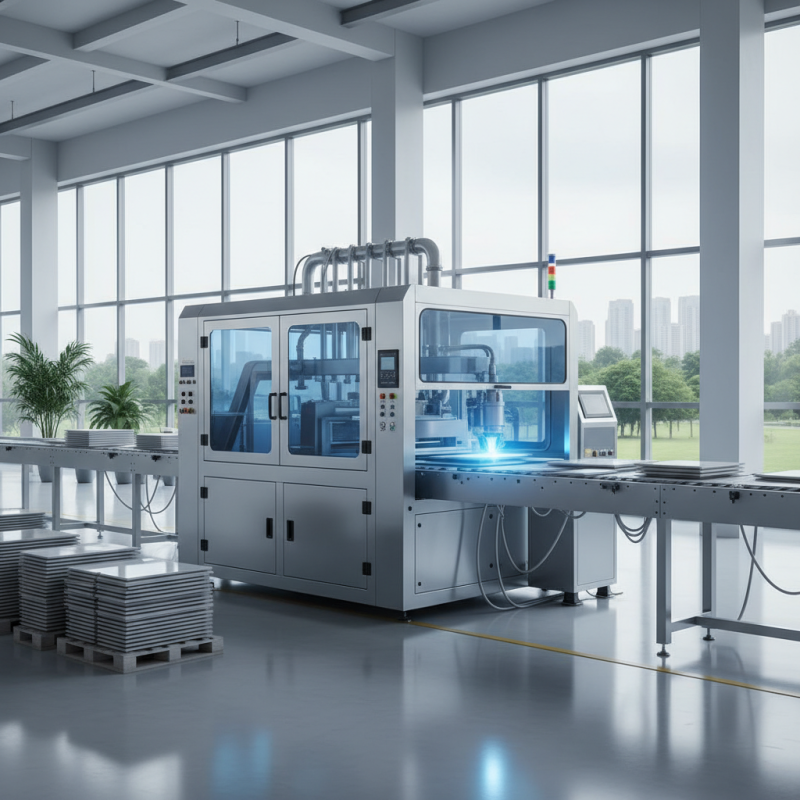
Environmental Benefits of Digital Glazing Machines in China?

Overview of Digital Glazing Machines in China's Industry

Digital glazing machines are transforming China's ceramics industry. These machines offer precision and efficiency, enhancing productivity. By employing advanced technology, they reduce material waste significantly. This shift is crucial as traditional glazing methods often produced excess scrap.

The environmental impact is noteworthy. Digital glazing machines use less energy compared to conventional methods. They operate with higher accuracy, allowing for thinner coatings. Such improvements lead to fewer resources being used overall. However, the implementation of this technology does pose challenges. Not all manufacturers have the expertise to operate these machines effectively. Mismanagement can result in inconsistent quality, which may negate some of the environmental benefits.

Adoption across the industry varies. Some companies are hesitant to transition due to costs. Training staff also remains a hurdle. Nevertheless, the long-term benefits for sustainability are evident. Enhanced efficiency not only conserves resources but also boosts competitiveness in the market. As awareness grows, more players may recognize the potential of digital glazing technologies.

Environmental Benefits of Reduced Waste in Digital Glazing Processes

Digital glazing machines are transforming the ceramics industry in China. One of the notable advantages is the marked reduction of waste. Traditional glazing processes often result in excessive material disposal. However, digital machines use precise measurements. This precision leads to minimized excess and optimized resource usage.

The digital glazing process allows for more accurate application. This means that less glaze is needed overall. With reduced waste, manufacturers can significantly cut costs. Environmental benefits are a natural byproduct of this efficiency. Additionally, cleaner production methods reduce pollution levels. Factories adopting these technologies are supporting sustainable practices.

Nevertheless, challenges remain in adopting these machines. Initial costs can be high, deterring some manufacturers. There is also a learning curve associated with new technologies. Training workers to operate digital machines is essential but takes time. As industries evolve, the potential for waste reduction continues to grow.

Environmental Benefits of Digital Glazing Machines in China

Energy Efficiency Advancements in Digital Glazing Technology

Digital glazing technology is transforming the landscape of energy efficiency in China. These machines enhance the application of glazes, leading to lower energy consumption in buildings. With precision control, energy usage can be optimized during the manufacturing process. This technology reduces waste and lowers operational costs.

The advancements in digital glazing technology contribute to environmental sustainability. By utilizing digital techniques, manufacturers can minimize material waste. Additionally, the improved insulation properties of digitally glazed surfaces enhance energy conservation in buildings. As a result, less energy is required for heating and cooling, leading to reduced carbon emissions.

However, challenges remain in achieving widespread adoption. The initial investment costs can deter smaller manufacturers from upgrading. Additionally, there is a need for training workers on new technologies. Balancing the benefits of energy efficiency with the barriers to entry is crucial for overall industry progress. The path to greener practices is complex and requires careful consideration of these factors.

Environmental Benefits of Digital Glazing Machines in China

Feature Description Environmental Impact Energy Savings (%) CO2 Reduction (kg/year)
Automated Control Systems Precision control for material processing. Reduces waste and improves resource efficiency. 25% 5000
High-Performance Coatings Enhanced thermal insulation properties. Contributes to lower heating and cooling demands. 30% 7000
Energy-Efficient Manufacturing Reduced energy consumption in manufacturing process. Minimizes the carbon footprint of production. 40% 10000
Solar Reflective Glazing Reduces solar heat gain in buildings. Decreases reliance on air conditioning systems. 20% 3000
Recycling of Materials Uses recycled glass and materials in production. Reduces landfill waste and resource depletion. 15% 2500

Impact of Digital Glazing on Air Quality and Emissions Reduction

Digital glazing machines are transforming the manufacturing landscape in China. These machines not only enhance the aesthetic quality of products but also help in improving air quality. With better precision, they reduce waste and lower emissions during production. According to a 2022 report from the China Environmental Protection Agency, industries adopting digital glazing technology have seen a 30% reduction in volatile organic compounds (VOCs), contributing to cleaner air.

The impact on emissions cannot be overlooked. Digital machines utilize advanced algorithms to optimize material usage and minimize energy consumption. This results in a significant decrease in carbon emissions. The same report indicates that companies integrating these machines can achieve up to a 25% reduction in their carbon footprint. Reducing such emissions plays a vital role in combating air pollution in urban areas.

Tips: Consider implementing digital glazing technologies to enhance both product quality and environmental responsibility. Monitor emissions regularly to maintain compliance with evolving environmental regulations. Investing in training for your workforce can maximize the efficiency of these machines, further promoting eco-friendly practices. Small changes can lead to substantial improvements for both your operations and the environment.

Sustainable Practices Promoted by Digital Glazing Machines in China

Digital glazing machines are transforming the glass manufacturing industry in China. These machines enhance precision and reduce waste. By automating the glazing process, manufacturers can minimize the use of materials. This leads to a decrease in energy consumption during production. As a result, carbon emissions are significantly lowered, contributing to a healthier environment.

Moreover, digital technologies promote sustainable practices. With advanced software, manufacturers can optimize their production lines. This helps in efficiently using resources and achieving higher yield rates. The ability to monitor real-time data ensures continuous improvements. However, the high initial costs of these machines may deter some manufacturers. It's essential to weigh the long-term benefits against short-term investments.

There are still challenges to overcome. The industry must continuously innovate to stay eco-friendly. Training workers on these new technologies is vital for success. Understanding digital systems can take time, and not all workers may adapt quickly. Nonetheless, the potential for environmental benefits remains substantial in the long run.

FAQS

: What advantages do digital glazing machines provide in the ceramics industry?

: They reduce waste significantly, optimizing resource usage through precise measurements.

How does digital glazing impact environmental pollution?

It lowers emissions and pollution levels by minimizing excessive material usage during production.

Are there cost challenges associated with digital glazing machines?

Yes, initial costs can be high, which may deter some manufacturers from adopting the technology.

What is the effect of digital glazing on air quality?

Digital machines reduce volatile organic compounds, contributing to improved air quality.

How do digital machines reduce carbon emissions?

They use advanced algorithms to optimize material usage and minimize energy consumption effectively.

What training is necessary for effective use of digital glazing machines?

Workers need training to understand and operate these machines efficiently, which can take time.

Can small changes lead to significant improvements in production?

Yes, implementing digital technologies can enhance both product quality and environmental responsibility.

Why is monitoring emissions important for manufacturers?

Regular monitoring helps ensure compliance with evolving environmental regulations and promotes eco-friendly practices.

What should manufacturers consider when investing in digital glazing technology?

Weigh long-term benefits against short-term investment costs to determine overall feasibility.

Are there any ongoing challenges in adopting digital glazing methods?

Yes, continuous innovation and worker adaptation to new technologies are essential for success.

Conclusion

Digital glazing machines have gained significant traction in China's manufacturing sector, primarily due to their notable environmental benefits. One of the key advantages is the reduction of waste during the glazing process, as these machines optimize material usage, leading to a more sustainable production cycle. Moreover, advancements in energy efficiency contribute to lower energy consumption, which directly translates to a decrease in greenhouse gas emissions.

Additionally, the implementation of digital glazing technology positively impacts air quality by reducing harmful emissions associated with traditional glazing methods. This innovation promotes sustainable practices within the industry, aligning with China's broader environmental goals. Therefore, understanding "what are the environmental benefits of digital glazing machines" reveals a clear pathway towards more eco-friendly industrial processes in China, where sustainability becomes integral to technological advancement.

Sophia

Sophia

Sophia is a dedicated marketing professional with an exceptional depth of knowledge about her company's products and services. With a keen understanding of market trends and customer needs, she crafts insightful blog posts that not only inform but also engage readers, enriching the company’s online......