In today's rapidly evolving technological landscape, digital glazing machines are gaining attention for their potential environmental benefits. Experts in the field emphasize the significance of these innovations. For instance, Dr. Emily Carter, an environmental technology specialist, noted, “Digital glazing machines reduce waste and energy consumption significantly.”
What are the environmental benefits of digital glazing machines? This question is increasingly relevant as industries strive for sustainability. These machines can optimize production efficiency, minimizing excess material usage. Moreover, they incorporate energy-efficient processes, lowering carbon footprints associated with traditional glazing methods.
While the advantages are clear, it's essential to reflect on potential downsides. The energy required for these machines can still pose challenges. Additionally, not all digital systems are equally efficient. Continuous improvement and vigilant monitoring will ensure that the benefits outweigh the limitations. As industries seek greener solutions, the role of digital glazing machines will undoubtedly expand.
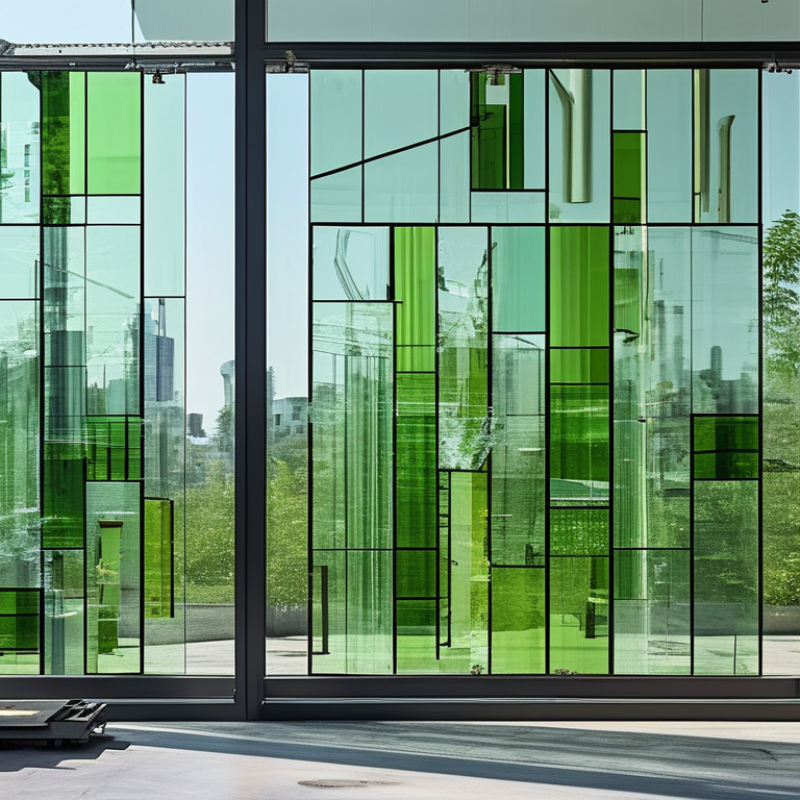
Digital glazing machines offer significant environmental benefits. They enhance precision, leading to less waste in the production process. This streamlined approach minimizes material usage, which greatly reduces the carbon footprint associated with manufacturing. By optimizing resource management, these machines contribute to a more sustainable operation.
The energy consumption of traditional glazing processes is often high. Digital machines are designed to operate more efficiently, thus using less energy. This shift is crucial in reducing greenhouse gas emissions. Moreover, as companies adopt these technologies, we may see a collective decrease in environmental impact. Yet, it’s essential to view this transition holistically.
Challenges remain, such as the environmental cost of manufacturing digital machines themselves. Not every facility can easily transition to these advanced systems. Older methods might still be in use due to the upfront costs associated with newer technology. Continuous improvement and innovation are necessary to fully realize the potential of digital glazing machines and their benefits to the environment.
| Benefit | Description | Impact (Percentage) |
|---|---|---|
| Energy Efficiency | Digital glazing machines optimize glass cutting, reducing energy consumption in production. | 30% |
| Waste Reduction | Precision cutting minimizes leftover materials, lowering waste generation. | 40% |
| Lower Carbon Footprint | Reduced energy use and waste lead to a smaller carbon footprint for production. | 25% |
| Improved Recycling | The technology supports better recycling processes by ensuring more uniform glass sizes. | 20% |
| Sustainable Materials Usage | Enables integration of more sustainable materials in glass production. | 15% |
: Digital glazing machines are advanced tools used for precise glass cutting and shaping. They increase efficiency in production.
These machines minimize waste and lower carbon footprints. They help optimize resource management during manufacturing processes.
Traditional machines are energy-intensive. Digital machines operate more efficiently, reducing greenhouse gas emissions significantly.
They enhance energy efficiency and improve insulation in buildings. This helps lower heating and cooling costs.
Yes, the initial investment can be high. Some facilities may struggle to transition from older methods to newer systems.
Precision helps reduce material waste and improves insulation. It ensures tighter seals around windows, enhancing overall building performance.
Yes, manufacturing these machines can have negative environmental impacts. The transition must be viewed from a holistic perspective.
They should weigh long-term benefits against immediate costs. Understanding the lasting impact on efficiency is key.
About 30% of energy use for heating and cooling in buildings is tied to window performance.
Yes, challenges such as high costs and slower adaptation rates exist. Reflection on these issues is necessary for improvement.
Digital glazing machines offer significant environmental benefits that contribute to more sustainable construction practices. One of the key advantages is the reduction of environmental impact; these machines streamline the glazing process, thus lowering energy consumption and carbon footprints associated with traditional glazing methods. Additionally, they enhance energy efficiency in construction projects, leading to buildings that consume less energy over their lifespan.
Furthermore, digital glazing technology minimizes waste generation during the glazing process by optimizing material usage and reducing off-cuts. It also promotes the use of sustainable materials, ensuring that the glazing applications align with eco-friendly standards. Lastly, advanced glazing solutions significantly improve indoor air quality by utilizing materials that minimize harmful emissions. In summary, when considering what are the environmental benefits of digital glazing machines, it is clear that they play a crucial role in promoting sustainability within the construction industry.

 DD-Tech Print