How to Identify the Latest Trends in Digital Textile Design?

Time:2026-06-28 Author:Sophia
0%

In the fast-evolving world of fashion, digital textile design stands out. Designers seek innovative methods to captivate audiences. But what are the latest trends in digital textile design? This question drives many in the industry today.

Contemporary designers explore varied textures and patterns. Technologies like 3D printing and digital embroidery enhance creativity. They create fabrics that challenge traditional aesthetics and functionality. Many companies now embrace sustainability in their projects. This trend resonates strongly with eco-conscious consumers, yet not all brands have adapted seamlessly.

Staying informed is crucial. Attending trade shows or engaging with online communities aids in identifying shifts. However, not every trend will suit every brand. Designers must reflect on their unique voice and audience needs. Balancing innovation with brand identity is no easy task. The journey of exploring trends can lead to fascinating and unexpected outcomes.
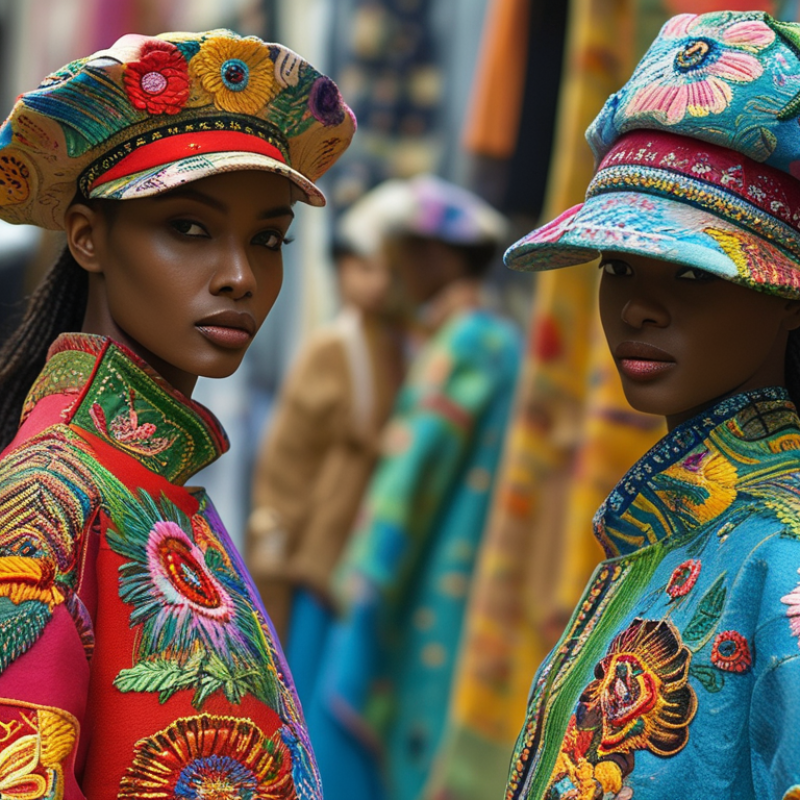
How to Identify the Latest Trends in Digital Textile Design?

Identifying Key Factors Influencing Digital Textile Design Trends

In the world of digital textile design, emerging trends often reflect broader cultural shifts. Designers must pay attention to factors like sustainability and technology. Eco-friendly materials are gaining momentum, pushing brands to rethink their processes. The focus is shifting towards fabrics that use less water and energy. This aligns with a growing consumer preference for environmentally conscious choices.

Another significant factor is the integration of technology. Innovations such as 3D printing and AI-driven design tools offer unprecedented creative possibilities. Designers experiment with techniques that blend digital art and textile production. However, this rapid advancement can lead to a disconnect between traditional craftsmanship and modern technology. Some designers struggle to find a balance, questioning whether new tools enhance or dilute their creative vision.

Social media influence cannot be ignored. Platforms like Instagram and Pinterest significantly shape consumer preferences. Trends often arise from online communities, creating a demand for unique, personalized designs. Yet, this constant visual bombardment can overwhelm designers. They face challenges in staying authentic while being responsive to trending aesthetics. Adapting to these shifting tides requires ongoing reflection and understanding of one’s design identity.

Analyzing Consumer Behavior and Preferences in Textile Design

Consumer behavior plays a crucial role in shaping trends in digital textile design. Recent studies indicate that 74% of consumers consider sustainability important when purchasing textiles. This preference drives designers to incorporate eco-friendly materials and practices. Textile designers must closely monitor these shifts in consumer values. Ignoring sustainability may alienate a significant customer base.

Another emerging trend is personalization in textile design. According to a report by Allied Market Research, the custom textile market is projected to reach $4.8 billion by 2024. Consumers desire unique fabrics that reflect their personal styles. This demand challenges designers to innovate while ensuring mass production efficiency. There is pressure to balance creative expression and practicality.

Moreover, the growing influence of social media cannot be overlooked. Platforms like Instagram and Pinterest showcase designs and connect consumers with designers. However, this also puts pressure on designers to keep up with trends. Trends evolve rapidly, making it challenging for designers to remain ahead. Continuous engagement with consumer feedback is essential. This iterative process can improve designs, fostering loyalty while addressing market needs.

Latest Trends in Digital Textile Design (2023)

Exploring Technological Innovations in Digital Textile Printing

Digital textile design is rapidly evolving. Technological innovations in digital textile printing are at the forefront of this transformation. These advancements open new doors for creativity and versatility in the industry. Digital printing now offers vibrant colors and intricate patterns that were once hard to achieve. This allows designers to bring their imaginative ideas to life.

Tips: Experiment with different printing techniques to discover unique textures. This can greatly enhance your textile products. Often, mixing digital and traditional methods yields unexpected results. Don’t hesitate to embrace trial and error. Sometimes the most compelling designs come from mistakes.

Moreover, sustainability is a rising trend. Digital printing reduces waste significantly compared to conventional approaches. Many designers are tapping into eco-friendly materials and processes. This not only benefits the environment but also appeals to conscious consumers. Reflecting on your production practices can lead to innovative solutions. Keep an eye on evolving technologies in your field. Embrace change as a part of your creative journey.

Assessing Market Data and Reports on Digital Textile Trends

Identifying the latest trends in digital textile design requires a thorough analysis of market data and industry reports. The global digital textile printing market was valued at approximately $2.3 billion in 2022 and is projected to grow at a compound annual growth rate (CAGR) of 20.1% from 2023 to 2030, according to a recent report by Research and Markets. This significant growth underlines the increasing demand for custom fabric designs and sustainable textile solutions.

Market research reveals a surge in eco-friendly inks and materials. By 2025, over 50% of digital textile printers are expected to adopt sustainable practices. This shift is not just a trend; it reflects changing consumer priorities towards sustainability. However, not all designers are utilizing these emerging technologies. Some still rely on traditional methods, which can limit innovative potential. It’s important for designers to assess their current practices critically and explore advancements in digital printing.

The fusion of technology and fabric design is evident. Reports indicate that 70% of textile designers are investing in advanced software solutions. This allows for more intricate designs and faster turnaround times. However, the challenge remains: many designers struggle to stay updated with fast-evolving tools. Continuous education and market research are crucial in this competitive landscape, ensuring designers can fully leverage the latest trends.

How to Identify the Latest Trends in Digital Textile Design? - Assessing Market Data and Reports on Digital Textile Trends

Trend Description Market Impact (%) Expected Growth (2023-2025) Region
Sustainable Fabrics Increased demand for eco-friendly materials. 35% 15% CAGR North America, Europe
Smart Textiles Integration of technology in textiles for functionality. 25% 20% CAGR Asia-Pacific
Digital Printing Techniques Advancements in printing technologies for customization. 30% 18% CAGR Global
3D Knitting Fusion of design and technology for seamless textiles. 20% 10% CAGR Europe, North America
Augmented Reality in Fashion Use of AR for virtual fittings and design. 15% 25% CAGR Global

Investigating Sustainable Practices in Digital Textile Design

Sustainable practices in digital textile design are becoming essential as the industry faces environmental challenges. According to a report by McKinsey, about 75% of the fashion industry’s carbon footprint comes from textile production. This stark reality urges designers to seek eco-friendly methods and materials.

Incorporating sustainability can involve using digital printing techniques, which reduce waste significantly by using only the needed dye. Additionally, choosing organic and recycled fabrics contributes to lowering the environmental impact. Brands focusing on circularity are gaining traction, with a study indicating that products designed for reuse can increase profits by up to 20%.

Tips:
Research local suppliers who offer sustainable materials.
Engage in workshops that teach eco-friendly design techniques.
Collaboration with environmental experts can also provide valuable insights.

Despite these advancements, challenges persist. Many designers still rely on traditional methods that harm the environment. An inherent tension exists between fast fashion’s demands and sustainable practices. Continuous adaptation is necessary, as not all digital designs align with eco-friendly principles. Examining industry reports on sustainable technologies can guide designers towards more responsible choices in their work.

FAQS

: What are the latest trends in digital textile design?

: The market for digital textile design is rapidly expanding, particularly in custom fabric designs and sustainability.

How is digital printing beneficial for the environment?

Digital printing significantly reduces waste compared to traditional methods by using only the required amount of dye.

Why should designers experiment with different printing techniques?

Experimentation can lead to unique textures and unexpected results, enhancing overall product creativity.

What role do eco-friendly materials play in digital textile design?

Eco-friendly materials not only benefit the environment but also attract consumers who prioritize sustainable practices.

How can designers stay updated with technological advancements?

Continuous education and market research are key. Many struggle to keep pace with evolving tools and trends.

What challenges do designers face in adopting sustainable practices?

Some designers continue to use traditional methods, which can hinder their ability to implement eco-friendly solutions.

What is the significance of circularity in textile design?

Products designed for reuse can lead to increased profits, highlighting the importance of sustainable product lifecycle thinking.

How does the market growth reflect consumer preferences?

The projected growth indicates a strong consumer demand for customized and sustainable textile solutions.

What can designers do to reflect on their production practices?

Evaluating current practices and exploring advancements can lead to innovative and responsible design choices.

Why might some designers resist adopting new technologies?

There may be a comfort in traditional methods, or challenges in understanding and utilizing new digital tools effectively.

Conclusion

The article titled "How to Identify the Latest Trends in Digital Textile Design?" delves into the multifaceted aspects that shape contemporary digital textile design. It begins by identifying key factors influencing trends, which are essential for understanding what are the latest trends in digital textile design. By analyzing consumer behavior and preferences, the piece highlights how evolving tastes impact design directions.

Furthermore, it explores technological innovations in digital textile printing, showcasing how advancements are creating new possibilities. The assessment of market data and reports provides insights into the current landscape, while investigating sustainable practices illustrates the growing importance of eco-friendly approaches in design. Together, these elements offer a comprehensive overview of the dynamic and changing world of digital textile design.

Sophia

Sophia

Sophia is a dedicated marketing professional with an exceptional depth of knowledge about her company's products and services. With a keen understanding of market trends and customer needs, she crafts insightful blog posts that not only inform but also engage readers, enriching the company’s online......