How to Improve Digital Printing Production Line Efficiency?

Time:2026-06-25 Author:Oliver
0%

In today’s fast-paced printing industry, efficiency is crucial. Digital printing production lines face unique challenges. Many companies seek to balance quality with speed. However, improving workflow often presents obstacles.

How to optimize the workflow of a digital printing production line? This question remains at the forefront for many professionals. It requires a detailed understanding of technology and processes. Small changes can make a significant impact. For example, integrating smart software can streamline operations. However, many businesses still overlook this potential.

Additionally, training staff effectively is vital. Without well-trained personnel, even the best technology may fall short. There is often resistance to change, which can hinder progress. Companies must be willing to reflect on their practices. Continuous improvement should be a core focus. Balancing innovation with proven methods can lead to greater efficiency. Each step taken is a building block toward success.
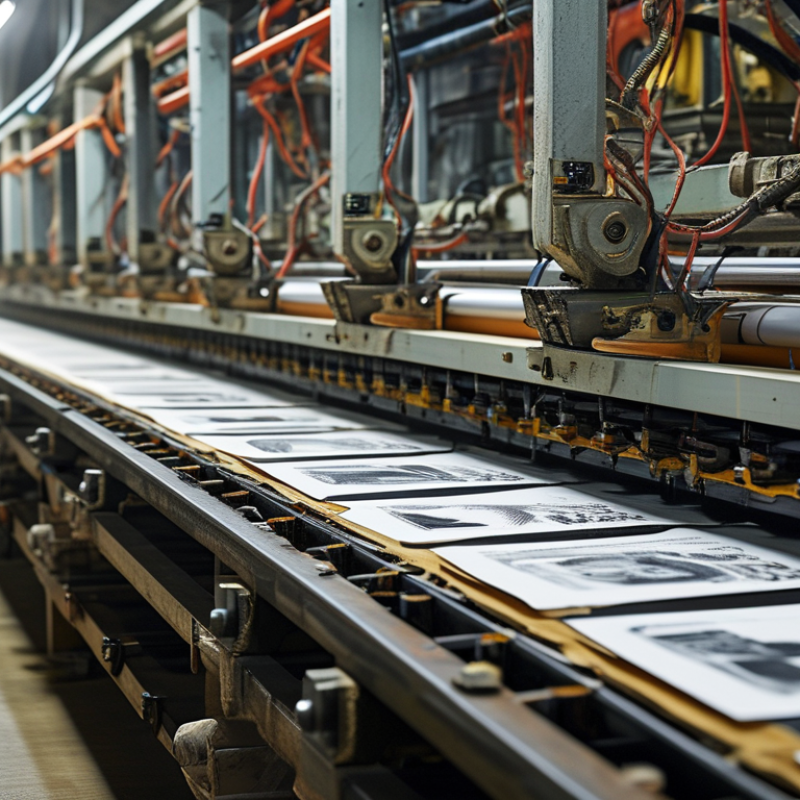
How to Improve Digital Printing Production Line Efficiency?

Assessing Current Workflow and Identifying Bottlenecks in Production

Assessing your current workflow is vital. Understanding each step in your digital printing process helps identify key bottlenecks. Commonly, delays occur during setup or between production stages. Analyzing these moments reveals where time is wasted.

Measuring cycle times can pinpoint inefficiencies. Use software tools to collect data. This approach can clarify how long tasks take. Look for patterns in the data. You might discover that certain printers frequently fall behind. This makes it easier to address those specific issues.

**Tips:** Regular maintenance on your equipment prevents breakdowns and downtime. Encourage team feedback on workflow; they see challenges you might miss. Visual management tools can also clarify process steps.

Implementing Streamlined Job Scheduling and Prioritization Techniques

In the digital printing industry, optimizing job scheduling and prioritization is crucial for efficiency. Research from Smithers shows that streamlined production can increase output by up to 30%. Implementing effective scheduling minimizes downtime and maximizes resource utilization. Many companies fail to fully adopt these practices, which often leads to bottlenecks.

Job prioritization techniques allow teams to focus on high-value projects first. Adopting software that facilitates job tracking can enhance transparency and communication. Studies suggest that companies using advanced scheduling software experience a 25% reduction in lead times. However, many firms hesitate to invest in these solutions. This hesitation can stem from initial costs or complexities in integration.

It's important to assess current workflows critically. Identifying weak points can reveal areas for improvement. Feedback from team members often highlights gaps in communication and equipment usage. Addressing these issues requires a commitment to continuous improvement. Balancing priorities while maintaining flexibility is key in a fast-paced environment. Embracing these strategies can make a significant difference in production line efficiency.

Investing in Advanced Printing Technology and Automation Solutions

Investing in advanced printing technology and automation solutions is crucial for enhancing digital printing production line efficiency. Recent industry data indicates that companies adopting automated systems have seen productivity gains of up to 30%. This improvement directly correlates with reduced labor costs and increased output. Automated workflows streamline processes, minimizing human error and ensuring consistency in print quality.


Moreover, integrating advanced printing technologies such as inkjet and digital presses can lead to significant advantages. According to a report by Smithers Pira, the digital printing market is projected to grow by 10.4% annually. This growth fuels the need for manufacturers to stay competitive.


However, shifting to new technologies can pose challenges, including initial costs and the learning curve for staff. Many operators find themselves struggling with outdated systems that hinder productivity. Regular training and adaptation to new technologies are essential.


Businesses must weigh the upfront investments against long-term efficiency. Transitioning to automation requires both initial resources and ongoing support. Ensuring that operators are skilled can be the difference between a smooth upgrade and operational disruptions. Each step towards modernization should be carefully planned, considering potential pitfalls along the way.

Enhancing Staff Training and Skill Development for Efficiency

In the realm of digital printing, enhancing staff training can significantly boost production line efficiency. A recent study by Smithers Pira revealed that companies investing in employee development see up to a 30% increase in productivity. However, many organizations overlook this crucial aspect. Training should not be one-time events. Instead, consistent skill development is essential.

Implementing hands-on workshops can help employees grasp the latest printing technologies. Practical experience nurtures confidence, leading to fewer mistakes. A survey by the Printing Industries of America indicated that 40% of companies report errors due to a lack of proper training. Addressing this gap is vital for streamlining workflows.

Team collaboration also plays a critical role. Encouraging employees to share knowledge fosters a more adaptable workforce. Teams that communicate effectively can identify bottlenecks quickly. Investing in communication training can yield improvements in team performance. A strong training culture leads to less downtime and more innovation on the production floor. The impact of engaged and skilled workers cannot be overstated. They drive efficiency and contribute to a company’s overall success.

Monitoring Performance Metrics for Continuous Improvement and Optimization

In digital printing, monitoring performance metrics is vital. A recent industry report indicates that companies that actively track metrics improve their output by 25%. This improvement stems from identifying bottlenecks and optimizing workflows. Metrics like job completion times and machine uptime are key indicators of efficiency.

One effective strategy is implementing a dashboard that visualizes real-time data. This tool helps operators quickly spot issues. If a machine shows a drop in efficiency, a team can investigate right away. Regularly comparing historical data also reveals trends. Understand where your production slows down. Are machines failing often? Or is job setup time excessive?

Tips for enhancing efficiency include automating repetitive tasks. For instance, automated job scheduling can cut preparation times significantly. Another suggestion is conducting regular training sessions. Skilled operators can adapt and respond more effectively to production challenges. Reflect on current practices. Are they truly efficient? Continuous evaluation can drive improvements in digital printing operations.

Digital Printing Production Line Efficiency Metrics

This bar chart illustrates the efficiency metrics of a digital printing production line over the course of six months. The metrics include print speed (in pages per hour), waste percentage, and machine downtime (in hours). Monitoring these metrics helps identify areas for continuous improvement and optimization.

FAQS

: Why is investing in advanced printing technology important?

: It enhances digital printing production efficiency and reduces costs.

What productivity gains can automated systems provide?

Companies can see productivity gains of up to 30% with automation.

What challenges might arise when shifting to new technologies?

Initial costs and staff learning curves can make transitions difficult.

How can outdated systems affect productivity?

They hinder workflow efficiency, causing more errors and delays.

Why should businesses monitor performance metrics?

Active tracking can improve output by 25% by identifying bottlenecks.

What is a useful tool for monitoring performance in real time?

A dashboard can visualize data, helping operators spot issues quickly.

What types of metrics are essential for evaluating efficiency?

Key metrics include job completion times and machine uptime.

How can automating repetitive tasks be beneficial?

It can significantly cut down on preparation times, enhancing productivity.

What role does staff training play in operational efficiency?

Regular training helps staff adapt better and respond to production demands.

Are current practices always efficient?

It's essential to evaluate and reflect on practices for potential improvements.

Conclusion

To optimize the workflow of a digital printing production line, it is crucial to start by assessing the current workflow and identifying any bottlenecks affecting efficiency. Streamlining job scheduling and prioritization can significantly reduce downtime and improve overall productivity. Additionally, investing in advanced printing technology and automation solutions can further enhance operational capabilities, leading to quicker turnaround times.

Another essential aspect is enhancing staff training and skill development, which equips the team with the knowledge to operate new technologies effectively and adapt to changing demands. Finally, monitoring performance metrics will facilitate continuous improvement and optimization, allowing for data-driven decisions to refine processes over time. By focusing on these strategies, businesses can achieve substantial gains in their digital printing production efficiency.

Oliver

Oliver

Oliver is a seasoned marketing professional with a wealth of expertise in driving brand awareness and engagement. With a deep understanding of our company's product offerings, he consistently delivers high-quality content that enriches our professional blog. His insights not only shed light on......