What is the Lifespan of an Industrial Inkjet Printhead?

Time:2026-05-25 Author:Mason
0%

Understanding the longevity of industrial inkjet printheads is crucial for businesses. The question many ask is, "What is the lifespan of an industrial inkjet printhead?" This inquiry underscores the importance of maintenance and optimal use.

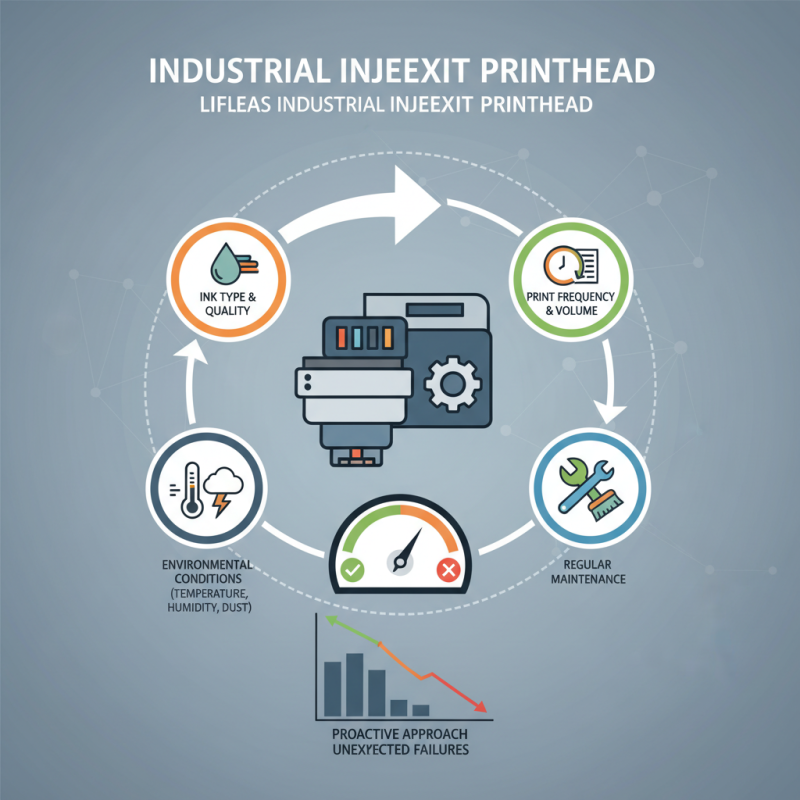
In various industries, print quality and speed are vital. A functional printhead directly impacts production efficiency. Yet, users often overlook factors that affect lifespan. These include the type of ink used, print frequency, and environmental conditions. Regular maintenance can prolong life, but it's not guaranteed.

It's essential to consult manufacturers for specific guidelines. Each printhead model has unique specifications. Users may find themselves grappling with unexpected failures. A proactive approach is key. Understanding limitations can enhance overall performance. This way, businesses can prepare better and avoid costly downtimes.
What is the Lifespan of an Industrial Inkjet Printhead?

Understanding Industrial Inkjet Printheads

Industrial inkjet printheads play a vital role in the manufacturing process. They are designed to deliver high-quality prints for various applications. Understanding their functionality is essential for optimizing production efficiency. These printheads use tiny nozzles to eject ink droplets onto substrates. The precision of this process affects print quality significantly.

Tips: Regular maintenance can enhance the lifespan of your printhead. Cleaning the nozzles helps prevent clogs. Always use the right ink for your specific printhead type.

Temperature and humidity also impact printhead performance. Printing in extreme conditions can lead to inconsistencies. A controlled environment is crucial for reliable results. Consider investing in equipment that monitors environmental conditions.

The lifespan of industrial inkjet printheads can vary widely. Factors such as print volume and ink composition play a role. Not all printheads are created equal. Some may wear out faster than others, leading to unexpected downtimes. This emphasizes the need for careful evaluation and monitoring of equipment choices in production settings.

Factors Affecting the Lifespan of Printheads

The lifespan of an industrial inkjet printhead is influenced by several critical factors. One primary element is the quality of the ink being used. Low-quality inks can cause clogging and wear, reducing the printhead's longevity. Reports indicate that printheads can last anywhere from 1,000 to 5,000 hours of operation, depending on ink formulations and print settings.

Environmental conditions also play a significant role. High temperatures and humidity levels can affect printhead performance. Regular maintenance is essential to clear debris and prevent malfunctions. Industry experts suggest that keeping the print area clean and free from dust can prolong the lifespan.

Tip: Consider investing in a reliable maintenance schedule. Consistent cleaning and inspection can save costs in the long run. Watch for signs of wear, such as decreased print quality. Address issues promptly to avoid further damage.

User habits also matter. Overworking printheads with heavy workloads could lead to quicker failures. It's important to balance print workload with expected output to maintain peak performance.

Typical Lifespan of Various Printhead Types

Industrial inkjet printheads come in various types, each with different lifespans. Generally, continuous inkjet (CIJ) printheads tend to last longer than their drop-on-demand counterparts. CIJ printheads can operate for several years with proper maintenance. However, factors such as ink quality and environmental conditions can impact their durability.

Drop-on-demand printheads, like thermal and piezoelectric types, show more variability in lifespan. Thermal printheads can last around one to two years, depending on usage and care. Piezoelectric printheads often have a lifespan of two to five years. Their longevity is influenced by factors like the quality of the materials used and printing frequency.

While manufacturers provide average lifespans, real-world usage can differ significantly. Some users report printheads failing sooner due to poor maintenance or inferior inks. Regular cleaning and using suitable materials can extend life. However, it's not always straightforward, and sometimes, printheads will need replacing unexpectedly. Monitoring performance and being prepared for replacements is crucial in managing printing operations effectively.

What is the Lifespan of an Industrial Inkjet Printhead?

Printhead Type Lifespan (Hours) Typical Usage (Prints) Recommended Maintenance
Thermal Inkjet 500 - 1000 ~10,000 Regular cleaning every 300 prints
Piezoelectric 1000 - 3000 ~20,000 Frequent maintenance checks
Continuous Inkjet 2000 - 5000 ~50,000 Daily upkeep recommended
Large Format 800 - 1800 ~15,000 Weekly cleaning suggested

Maintenance Practices to Extend Printhead Life

Maintaining an industrial inkjet printhead is crucial for extending its lifespan. Routine cleaning can prevent clogging, a common issue in inkjet technology. According to industry studies, consistently cleaning printheads can reduce the frequency of replacement by up to 30%. Regular maintenance is not just about cleaning; it also involves monitoring ink levels and environmental conditions, which can greatly influence the performance.

Temperature and humidity play significant roles in printhead longevity. High temperatures can dry the ink and lead to blockages. Ideal conditions should be between 65-75°F and 40-60% humidity. Implementing temperature controls can improve print quality and head life. Neglecting these aspects can result in costly downtimes and repairs.

Another critical factor is the quality of inks used. Low-quality inks may contain impurities that hasten wear on the printhead. A reputable survey indicated that roughly 15% of printhead failures are attributed to ink quality issues. Regularly assessing ink sources and periodic maintenance are essential practices for sustainability in industrial printing.

Signs of Printhead Wear and When to Replace

Industrial inkjet printheads have a finite lifespan, often ranging from 1,000 to 5,000 hours of operation. Knowing the signs of printhead wear is crucial for maintaining print quality. Common indicators include inconsistent ink flow, streaks, and color variations in prints. These symptoms often suggest that the printhead is approaching the end of its useful life.

Regular maintenance can extend printhead longevity. However, even with optimal care, wear will eventually occur. Industry reports indicate that 30% of print quality issues relate directly to printhead condition. When users notice fading prints or excessive nozzle dropouts, it’s time to consider replacement. A typical printhead replacement process takes around 1-2 hours, with potential downtime affecting production schedules.

Monitoring printhead performance is essential. Many facilities fail to keep track of printhead usage and maintenance, which can lead to extended downtime. The key is to look for changes in print quality routinely. Small changes can indicate more significant problems on the horizon. By adopting a proactive approach, companies can avoid costly disruptions in their printing processes.

FAQS

: What is the typical lifespan of industrial inkjet printheads?

: Lifespan varies. Continuous inkjet printheads last years with proper care. Drop-on-demand types vary more, often lasting one to five years.

How does maintenance affect printhead longevity?

Regular maintenance can extend printhead life significantly. Cleaning can reduce replacement frequency by up to 30%.

What environmental conditions are ideal for printheads?

Ideal conditions are between 65-75°F and 40-60% humidity. Deviating from these can harm printhead performance.

How do ink quality issues influence printhead failures?

Low-quality inks may contain impurities that accelerate wear. About 15% of printhead failures are due to ink quality problems.

What cleaning practices are essential for printheads?

Routine cleaning helps prevent clogging. It's important to monitor ink levels and maintain overall cleanliness regularly.

Can printheads fail unexpectedly?

Yes, printheads can fail without warning. It’s wise to monitor performance and be ready for replacements.

What actions help reduce clogging in printheads?

Consistent cleaning and quality maintenance can prevent common clogging issues seen in inkjet technology.

What should I consider when storing inkjet equipment?

Ensure proper temperature and humidity controls to protect print quality and extend printhead life.

Why is monitoring ink sources vital?

Assessing ink sources regularly helps avoid issues related to ink quality, which can lead to printhead failures.

Are there specific materials that improve printhead lifespan?

Yes, using high-quality materials enhances durability. Poor materials often lead to faster wear and unexpected replacements.

Conclusion

Industrial inkjet printheads are essential components in various printing applications, but many users often wonder, "What is the lifespan of an industrial inkjet printhead?" Several factors can influence their longevity, including the type of printhead, the ink used, and the operating conditions. Typically, printheads can range from a few months to several years of effective use, depending on these variables.

To maximize the lifespan of printheads, regular maintenance practices such as cleaning and proper handling are crucial. Users should also be vigilant about signs of wear, such as print quality degradation or irregular ink distribution, and know when it is time to replace their printheads. By understanding these aspects, businesses can ensure optimal performance and longevity of their industrial inkjet printing systems.

Mason

Mason

Mason is a seasoned marketing professional with a deep expertise in the company's offerings and a passion for driving brand awareness. With a strong background in digital marketing strategies, he has an innate ability to connect with diverse audiences and effectively communicate product benefits.......