In the evolving landscape of ceramic manufacturing, the integration of digital management systems is crucial. Experts emphasize the importance of technology in optimizing processes. John Smith, a renowned specialist in digital transformation, once stated, "Embracing digital management is not just an option but a necessity for ceramic factories to thrive."
Digital management strategies streamline operations, enhance productivity, and improve quality control. However, many factories struggle with implementation. It's essential to recognize the complexity involved in this transformation. Each step must be thoughtfully planned and executed to avoid common pitfalls.
Understanding how to integrate a digital management system into a ceramic factory requires expertise and careful consideration. Every factory is unique, with different challenges and capabilities. A one-size-fits-all approach is rarely effective. Continuous evaluation and adaptation are vital in this process. Failure to address these nuances can hinder success.
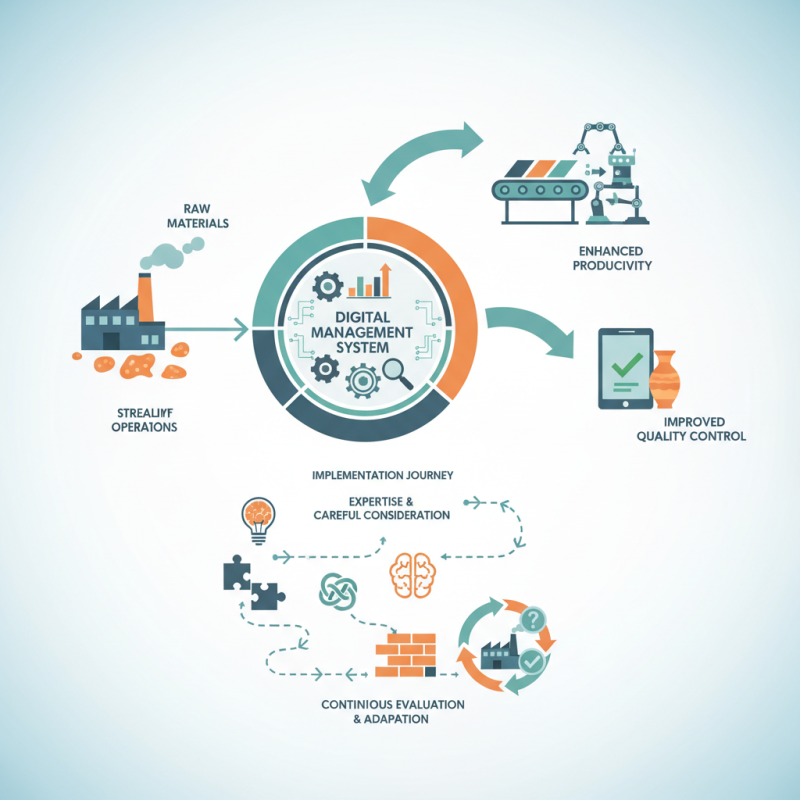
Digital management is transforming ceramic manufacturing. This shift enhances efficiency, quality, and sustainability. Recent industry reports indicate that over 70% of ceramic factories are exploring digital solutions to optimize production processes.
Implementing digital management involves training staff in new technologies. Many employees struggle with this transition. A survey revealed that 43% of workers in the ceramic industry lacked adequate digital skills. This gap slows down progress and affects output. Companies must invest in continuous education and support.
Data analytics plays a crucial role in digital management. Factories can analyze production patterns to predict maintenance needs. Surprisingly, only 30% of ceramic manufacturers currently utilize such data. This underutilization limits their ability to enhance productivity. Embracing analytics could result in a potential 15% increase in operational efficiency. As the industry evolves, addressing these challenges will be essential for successful digital implementation.
In today's competitive market, ceramic factories must assess their existing processes for digital integration effectively. A recent study by McKinsey indicates that digital transformations can increase operational efficiency by up to 45%. However, many factories still rely on outdated practices, hindering their ability to compete.
Conducting a thorough assessment is crucial. This includes evaluating current production workflows and identifying bottlenecks. A report by Deloitte reveals that 60% of manufacturers face significant challenges in adopting new technologies. Factors include resistance to change and lack of skilled personnel. Addressing these areas is vital for successful digital management.
Integrating digital tools can streamline operations, but it's not just about technology. Cultural readiness is essential. Factories must foster an environment that embraces innovation. Engaging employees in this journey can mitigate resistance. Companies should regularly review their progress and adapt to changing conditions. Continuous monitoring can reveal gaps in digital strategy, leading to improvements.
Incorporating digital tools in ceramic factories can enhance efficiency and reduce waste. However, selecting the right technologies is crucial. According to industry reports, over 60% of ceramic manufacturers reported improved production times after digitization. Monitoring systems and automated machinery are key components. They provide real-time data on production processes, allowing for immediate adjustments.
When choosing digital tools, focus on integration capabilities. Systems that work well with existing hardware can minimize disruptions. Analytical tools can track trends and forecast needs, helping factories manage inventory better. Approximately 70% of manufacturers found predictive analytics useful for decision-making in a recent survey.
Tips: Start small by implementing one or two tools initially. Evaluate their performance periodically. Open communication with your team is vital. Reflect on any challenges faced during the implementation. Learning from these experiences can guide future decisions, ensuring more successful integration.
Training employees is crucial for a successful digital transition in ceramic factories. A clear training strategy should empower staff to adapt to new technologies. Workshops can introduce digital tools. These sessions encourage hands-on experience. Employees should work with real equipment and systems.
Feedback loops are essential. Managers must listen to employees' concerns. This helps identify knowledge gaps. Real-world scenarios can be simulated during training. Encourage teams to discuss challenges they face with digital management. Peer-to-peer learning fosters collaboration. This approach builds confidence and fosters a culture of innovation.
Digital literacy is not uniform across factories. Some employees may struggle with new systems. Identifying these individuals for extra support is vital. Ongoing coaching can make a difference. Regular refresher courses keep skills sharp. Ultimately, investing in employee training lays a solid foundation for a digital future.
| Training Topic | Duration (Hours) | Target Audience | Expected Outcome |
|---|---|---|---|
| Introduction to Digital Tools | 4 | All Employees | Familiarity with digital processes |
| Data Management Systems | 6 | IT Staff | Efficient data handling and analysis |
| Quality Control in Digital Era | 5 | Quality Assurance Team | Understanding digital QC techniques |
| Using AI in Production | 8 | Production Managers | Implementation of AI solutions |
| Change Management | 3 | All Employees | Adapting to organizational changes |
| Digital Marketing Strategies | 7 | Marketing Team | Effective online marketing |
Monitoring and evaluating digital management outcomes in ceramic factories is crucial for sustainable growth. Accurate data collection allows for assessing the effectiveness of implemented strategies. Continuous monitoring can identify issues before they escalate. For instance, tracking production lines can reveal inefficiencies. Small deviations in output may indicate larger systemic flaws.
Incorporating feedback mechanisms is vital. Employees are often the best source of insights. Regularly solicit their input regarding digital tools. This feedback can highlight areas needing improvement. Adapting to their concerns may enhance overall acceptance of digital management systems. However, be prepared for resistance to change. Overcoming this requires consistent communication and reassurance.
Data analytics plays a significant role in evaluation. Analyze trends, production rates, and error logs to derive actionable insights. Combining quantitative data with qualitative observations creates a comprehensive picture. Yet, be wary of solely relying on numbers. Human factors must always be considered. Balancing technology with human intuition can lead to better outcomes.
: Assessing processes helps identify inefficiencies and bottlenecks, improving operational efficiency and competitiveness.
Common challenges include resistance to change and lack of skilled personnel, affecting successful digital integration.
A culture that embraces innovation helps reduce resistance among employees, fostering a smoother digital transition.
Digital tools can enhance efficiency, reduce waste, and improve production times significantly when implemented correctly.
Focus on integration capabilities and choose tools that complement existing systems to minimize disruptions.
Open communication is essential for addressing challenges and ensuring that all team members are aligned with changes.
Continuous monitoring reveals gaps in strategy, allowing for timely adjustments and improvements in operations.
Start small with one or two tools, evaluate their effectiveness, and adjust based on experiences during implementation.
Predictive analytics helps track trends and forecast needs, aiding in better inventory management and decision-making.
Reflecting on challenges can provide valuable insights, guiding future decisions and increasing the success of digital integration efforts.
Successfully implementing digital management in ceramic factories involves several key steps. Firstly, it's essential to understand the unique aspects of digital management in ceramic manufacturing, which sets the foundation for improvement. Assessing current processes for digital integration helps identify gaps and opportunities in existing workflows. Choosing the right digital tools and technologies is crucial to enhance operations and productivity, while tailored training for employees ensures they are well-prepared for the transition.
Monitoring and evaluating outcomes are vital to measure the effectiveness of the digital management system as it evolves. These steps collectively answer the question of how to integrate a digital management system into a ceramic factory, ensuring that the transition not only meets technological needs but also supports the workforce and drives overall business success.

DD-Tech Print