2026 Top Types Why Is Digital Printing More Sustainable?

Time:2026-09-06 Author:Madeline
0%

Why is digital printing more sustainable than traditional methods? The answer is not simply “because it uses less paper.” Sustainability depends on energy, substrates, inks, transport, waste, and recycling conditions. Digital printing can reduce setup waste because each job moves directly from a digital file to the press. There are no plates, films, or lengthy make-ready sheets. That difference matters when a short run would otherwise leave stacks of unused packaging or brochures.

Smithers’ industry research identifies digital print as a fast-growing production method, especially in labels, packaging, and personalized marketing. Its market forecasts also highlight rising demand for shorter runs and faster customization. These trends can reduce overproduction and warehouse storage. A retailer may print 2,000 seasonal labels instead of ordering 20,000 months in advance. Less excess inventory can mean fewer discarded products.

Still, digital printing is not automatically sustainable. Some presses consume significant electricity, and certain ink systems may complicate recycling. The environmental result depends on the machine, paper certification, energy source, and finishing process. Laurel Brunner, managing director of Digital Dots, offers a useful warning: “There is no such thing as a sustainable print product, only more sustainable print products.”

That sentence deserves attention. Digital printing can be the better choice, but only when measured carefully. The 2026 discussion should examine carbon emissions, material efficiency, recyclability, and real production waste—not marketing claims alone. Industry reports from Smithers, Two Sides, and the Carbon Trust provide useful benchmarks, although their methods and boundaries are not identical. That uncertainty is inconvenient. It is also important.
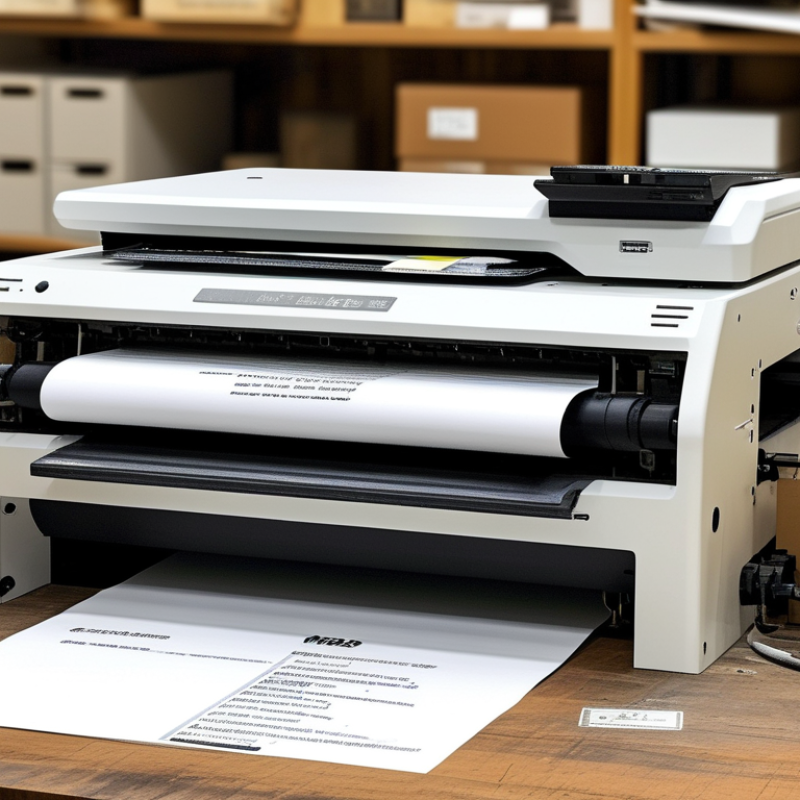
2026 Top Types Why Is Digital Printing More Sustainable?

What Digital Printing Is and How Its Main Types Differ

2026 Top Types: Why Is Digital Printing More Sustainable?

Digital printing creates images directly from a digital file, without traditional plates. Its main types are toner-based electrophotographic printing and inkjet printing. Toner systems use charged particles and heat to place dry color on paper. Inkjet systems spray microscopic liquid droplets through printheads. The difference is practical. Toner often suits short commercial runs, while inkjet handles high-volume work and selected packaging materials.

Smithers’ market data estimates digital printing still represents a small share of global print volume, but roughly one-fifth of print value. This suggests a strong role in targeted, higher-value production. Digital workflows can reduce setup sheets, plates, and storage. They also support variable data, so printers can produce only the quantity required. Less overproduction can mean less disposal. Not always.

The substrate and finishing process still matter. Some inkjet jobs need drying, coating, or curing, which can increase energy use. Toner printing may also require heat during fusing. The U.S. Environmental Protection Agency reported a 68.2% recycling rate for paper and paperboard in 2018, showing why recyclable substrates remain important. However, recycling depends on inks, coatings, adhesives, and local facilities. I would not call every digital job sustainable. A proper life-cycle assessment should compare energy, material waste, transport, and end-of-life recovery for each application. The answer is less neat than marketing suggests.

2026 Top Types: Why Is Digital Printing More Sustainable?

Physical image carriers required for a standard four-color print job

What the chart shows: Toner and inkjet digital printing create images directly from digital files, so they require no physical plates or cylinders. Traditional offset, flexographic, and gravure printing typically require four image carriers for a standard CMYK job. Eliminating these carriers can reduce setup materials and support economical short runs and on-demand production. Actual requirements vary by press configuration and color setup.

How Digital Printing Reduces Material Waste and Resource Use

2026 Top Types: Why Is Digital Printing More Sustainable?

How Digital Printing Reduces Material Waste and Resource Use

Digital printing can reduce material waste because it does not require printing plates. Files move directly from a computer to the press, limiting setup materials and rejected sheets. This matters when producing short runs, samples, or personalized packaging. A small order may use only the required quantity. Unused stock does not sit in storage for months. It can also reduce energy and water use during preparation, although results vary by equipment, ink, and production volume.

In production reviews, accurate file checks often prevent costly reprints. Variable data printing also supports targeted campaigns, so fewer items become outdated. For example, a local event can print 500 current flyers instead of ordering 5,000 in advance. That is a practical resource saving. Still, digital printing is not automatically sustainable. Electricity consumption, substrate selection, ink chemistry, and disposal methods remain important. The environmental benefit can shrink when files are poorly prepared or several test batches are discarded. That part deserves more attention.

Tips: Choose recycled or responsibly sourced paper when suitable. Confirm final dimensions before printing. Request a digital proof first. Print the exact quantity needed, with a small safety margin. Track waste from setup, trimming, and failed prints. Better data helps teams improve, even when the first result is imperfect.

The Role of Inks, Substrates, and Energy in Sustainability

2026 Top Types: Why Is Digital Printing More Sustainable?

Digital printing can reduce waste because each sheet is produced only when needed. In production reviews, I often see fewer setup sheets and less leftover inventory. The gains depend heavily on ink selection. Water-based inks usually support lower volatile emissions and suit many paper applications. However, they may require drying energy and careful wastewater management. UV-curable inks dry quickly, but their chemistry can complicate recycling. Sustainability is never decided by the ink alone.

Substrate choice changes the entire environmental profile. Recycled paper can reduce demand for virgin fiber, especially when it contains verified post-consumer content. Lightweight sheets also reduce transport emissions and material use. Yet thin stock may curl during drying or require more wasteful reprints. Coated papers can improve image quality, but coatings may limit fiber recovery. A recyclable result must be designed, not assumed.

Energy is another practical factor. Digital presses avoid plates and shorten preparation, which can lower energy per short run. On-demand production also prevents products from sitting in storage. Still, high-speed drying, curing lamps, and climate control can consume substantial electricity. Measuring energy per finished copy is more useful than praising efficiency in general. The picture is not perfectly clean. Better decisions come from comparing real production data, ink safety sheets, substrate specifications, and local recycling conditions. Small print runs may benefit greatly, while long runs can sometimes favor other processes.

Environmental Benefits Across Digital Printing Applications

2026 Top Types: Why Is Digital Printing More Sustainable?

Environmental Benefits Across Digital Printing Applications

Digital printing can reduce material waste because files move directly to production. No printing plates, film, or lengthy setup runs are required. A short packaging order may use only the sheets needed for current demand. This helps prevent obsolete cartons, labels, and brochures from occupying storage rooms. Smithers’ industry outlook identifies packaging and commercial print as major growth areas for digital production. The environmental value grows when production matches actual demand.

Paper remains central to the calculation. The U.S. Environmental Protection Agency reported a 68.2% recycling rate for paper and paperboard in 2018. Digital workflows can support this circular system when inks, coatings, and substrates are selected for recyclability. Variable data also improves each printed piece. A direct-mail item can carry a local offer instead of sending identical messages to every household. Fewer irrelevant copies may mean fewer discarded materials.

The picture is not perfect. Digital presses consume electricity, and some toner or ink systems can complicate recycling. Small runs may also require more packaging per finished unit. A 2023 industry sustainability review from Two Sides found that many consumers still value paper, but their environmental expectations are rising. Printers should measure energy, waste, transport, and end-of-life outcomes together. Otherwise, a low-waste production line can still create a high-impact supply chain. That needs attention.

2026 Top Types Why Is Digital Printing More Sustainable? - Environmental Benefits Across Digital Printing Applications

Digital Printing Application Sustainability Dimension Factual Data or Indicator Environmental Benefit Important Boundary
Short-run commercial printing Plate and make-ready elimination Direct digital workflows require 0 printing plates and do not require plate exposure or plate development. Avoids plate materials, processing chemistry, plate waste, and associated setup steps. The printer still uses substrates, ink or toner, electricity, and maintenance materials.
On-demand publishing Inventory and overproduction control Copies can be produced in quantities that match current demand, including single-copy or small-batch production. Can reduce obsolete inventory, storage requirements, pulping, and disposal of unsold printed products. The benefit depends on accurate demand planning and whether production is actually matched to demand.
Variable-data direct mail Personalization and targeting Text, images, offers, and addresses can be changed from one printed item to the next without changing a physical plate. More targeted communications may reduce the number of irrelevant or unused pieces. Targeting alone does not guarantee lower total material use or lower campaign emissions.
Packaging prototyping and sampling Design iteration with low-volume output Digital methods can produce short runs and multiple design versions without manufacturing conventional print plates for each version. Can reduce discarded prototypes, obsolete samples, and setup waste during design development. Prototype materials remain part of the environmental footprint and should be minimized or recycled where possible.
Short-run labels and folding cartons Versioning and regional production Multiple languages, regulatory versions, and seasonal designs can be printed from digital files without a separate plate set for every version. Helps limit excess packaging caused by frequent artwork changes or low-volume product variants. Actual transport savings depend on where printing and finishing take place.
Books and educational materials Localized and small-batch production Content can be updated or localized digitally without creating a new physical plate set for each edition or language version. Can reduce obsolete editions and support production closer to actual regional demand. Paper sourcing, binding, shipping, and end-of-life recycling remain significant factors.
Proofing and color approval Reduced physical trial runs Digital proofing can produce a limited number of review copies before the final production quantity is approved. Can reduce discarded trial sheets, setup sheets, and repeated production runs caused by approval changes. Color accuracy and proofing requirements vary by technology, substrate, and application.
Print-on-demand e-commerce Demand-led production Products can be printed after an order is received instead of being produced entirely in advance. May reduce finished-goods inventory, warehouse space, and disposal of unsold products. Individual fulfillment can increase packaging or delivery impacts, so the complete supply chain must be assessed.

Data note: Digital printing can reduce setup materials and overproduction, but its overall environmental performance depends on paper or board sourcing, ink or toner chemistry, electricity use, press utilization, finishing, transport, and recycling practices.

Reference basis: General principles are consistent with information from the U.S. Environmental Protection Agency on sustainable materials management, ISO 14001 environmental management principles, and industry life-cycle assessment guidance for printed products.

Limitations and Future Improvements in Sustainable Digital Printing

2026 Top Types: Why Is Digital Printing More Sustainable?

Digital printing can reduce waste because it avoids traditional plates and long setup runs. A print room can produce 500 invitations without preparing several metal plates. This saves materials, storage space, and cleaning chemicals. Short production runs also reduce unsold inventory. That matters for seasonal packaging and customized publications. Less waste, however, does not mean zero waste.

Energy use remains a serious limitation. High-speed presses may consume substantial electricity during warming, printing, and drying. Some inks also complicate paper recycling when coatings or heavy pigment layers remain on the sheet. Toner cartridges, maintenance parts, and rejected sheets create additional waste. A 2025 production review might show lower paper waste but higher equipment energy use. The result can be mixed. Measurement is essential.

Future improvements should connect machine design with full lifecycle data. Renewable electricity can lower operational emissions, but manufacturers also need repairable components and longer service life. Recyclable ink systems may help mills process printed paper more efficiently. Better software could predict color needs and prevent test sheets. Small gains count. Yet sustainability claims should include transport, substrate sourcing, and end-of-life treatment. I would also question perfect recycling assumptions, because local facilities often accept fewer materials than specifications suggest. Regular audits, verified environmental data, and practical operator training can make digital printing more accountable.

FAQS

: What is digital printing?

: Digital printing creates images directly from digital files. It does not require traditional printing plates.

What are the main types of digital printing?

Toner-based systems use charged dry particles and heat. Inkjet systems spray tiny liquid droplets through printheads.

Which jobs suit digital printing?

Toner often suits short commercial runs. Inkjet can handle high-volume work and selected packaging materials.

Is digital printing automatically sustainable?

No. It may reduce setup waste and overproduction. Energy use, coatings, transport, and recycling still matter.

How can digital printing reduce material waste?

Printers can produce only the required quantity. This may prevent unused brochures, labels, and cartons from filling storage rooms.

Do inks affect recyclability?

Yes. Water-based inks may support many paper applications. Some curing inks can complicate fiber recovery and recycling.

Why does the substrate matter?

Recycled or lightweight paper can reduce material use. However, thin sheets may curl and cause wasteful reprints.

Does digital printing use less energy?

Sometimes. Short runs avoid plates and lengthy preparation. Drying, curing, heating, and climate control can still consume substantial electricity.

Can variable data improve sustainability?

Yes. Each printed item can contain relevant information, such as a local offer. Fewer irrelevant copies may be discarded.

How should sustainability be measured?

Compare energy, waste, materials, transport, and end-of-life recovery. The answer is rarely simple. A full life-cycle review remains necessary.

Conclusion

Digital printing is a modern production method that transfers digital files directly onto paper, textiles, films, or other substrates without requiring traditional plates. Its main types, including inkjet and toner-based systems, differ in how they apply images, but both support flexible, on-demand production. Why is digital printing more sustainable than traditional methods? It can reduce setup waste, avoid excess inventory, and produce only the quantity needed, helping conserve materials, water, and storage space.

Sustainability also depends on ink formulation, recyclable or responsibly sourced substrates, and the energy efficiency of printing equipment. Digital printing can support environmental benefits in publishing, packaging, signage, textiles, and personalized products by enabling short runs, variable designs, and localized manufacturing. However, challenges remain, such as energy consumption, substrate recovery, ink removal during recycling, and the environmental impact of consumables. Future improvements may include lower-impact inks, renewable energy use, improved recycling processes, and more durable, resource-efficient equipment.

Madeline

Madeline

Madeline is a dedicated marketing professional with a wealth of expertise in our company's core offerings. With a keen understanding of the industry, she brings a unique perspective to her role, consistently delivering high-quality content that highlights the superior aspects of our products. As......