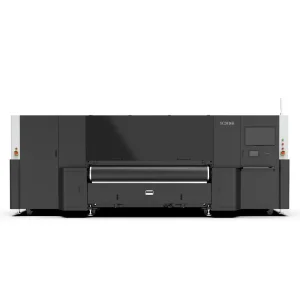
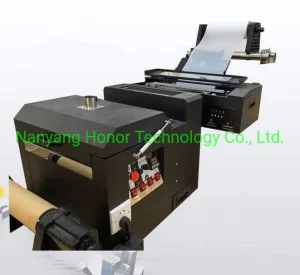
Explore our top-tier engineering configurations, ranging from advanced high-speed textile printers to specialized color matching software.
How Chinese manufacturing innovations are re-shaping high-speed commercial apparel customization global supply chains.
The global apparel industry is undergoing an unprecedented structural transition. Traditional screen printing, once the standard for high-volume textile production, is increasingly unable to satisfy the fast-paced market demands of the modern consumer. The rise of Print-on-Demand (POD) networks, short-run customized production, and ultra-short fashion cycles has forced textile brands to seek flexible, clean, and highly automated technology.
At the center of this paradigm shift is Direct-to-Garment (DTG) inkjet printing. By spraying eco-friendly pigments directly onto natural fibers without the need for screens, plates, or intensive pre-press processes, DTG has revolutionized garment decoration.
However, achieving industrial efficiency at an acceptable Cost-Per-Print (CPP) has historically been a significant barrier. Early-generation DTG setups suffered from frequent printhead clogging, slow print speeds, inconsistent white ink opacity, and high maintenance costs.
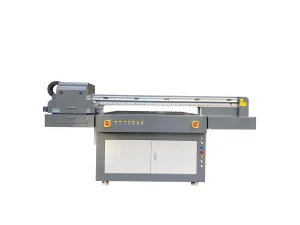
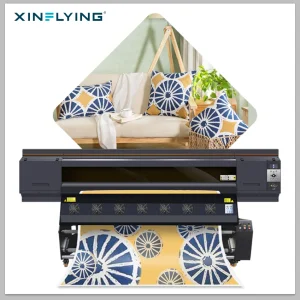
Through rigorous R&D investment and supply-chain integration, Chinese DTG manufacturers—led by technology innovators like Zhuhai DD-Tech Print Equipment Co., Ltd.—have broken through these barriers. They offer high-speed, industrial-grade DTG platforms powered by multi-head configurations (such as Epson I3200 and Ricoh Gen6) and integrated automated pre-treatment and curing loops.
Zhuhai DD-Tech Print Equipment Co., Ltd. is a global leader specializing in the research, development, manufacturing, sales, and service of high-speed industrial digital inkjet printing systems. We provide advanced printing solutions for industries such as building materials, ceramics, textiles, and packaging, focusing on enhancing product quality, production efficiency, and sustainability.
By integrating cutting-edge printhead drive electronics, ultra-stable physical chassis designs, and advanced ink formula chemistry, we ensure our global partners can scale their production lines with confidence. Our systems represent the pinnacle of reliability, helping clients migrate away from toxic chemical pre-treatment and embrace closed-loop digital output.
Our R&D center is dedicated to advancing digital inkjet technology. With numerous patents in key areas like print head control, ink circulation systems, and color management algorithms, we leverage our proprietary technologies to offer high-performance industrial printers that meet the diverse needs of our global customers.
Our current research focus spans sub-picoliter drop placement accuracy, high-frequency printhead waveform calibration, and the integration of artificial intelligence into automated raster image processing (RIP).
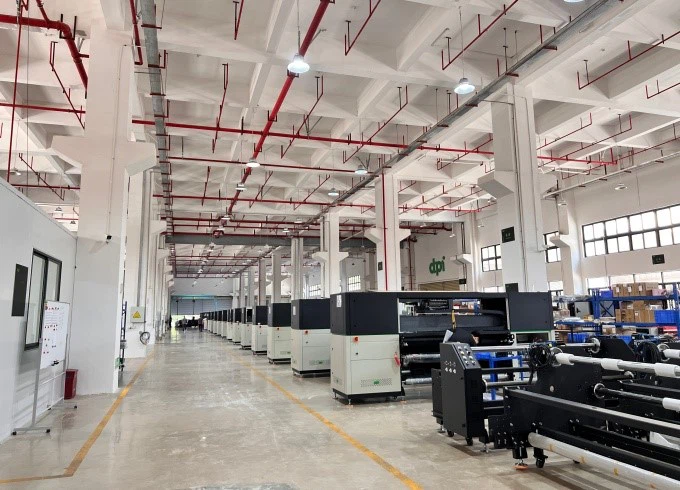
Our production base in Zhuhai, China, is equipped with state-of-the-art facilities and a stringent quality control system. Every product is meticulously assembled and tested by our professional team to ensure it meets the highest standards of performance and reliability. We incorporate intelligent manufacturing processes to optimize production efficiency and quality.
From raw materials inspection (IQC) to finished goods performance calibration (OQC), our machinery goes through a 72-hour continuous vibration and thermal cycling analysis to eliminate any operational defects before exporting.
DD-Tech has obtained ISO 9001 certification and other industry-specific environmental and safety certifications, ensuring our products meet international quality and safety standards. Our numerous patents further highlight our technological strength in digital inkjet printing.
Our global compliance frameworks allow our partners to easily integrate our hardware into production environments regulated by RoHS, CE, and Oeko-Tex Standard 100 for garment accessories.
Analyzing the supply chain clusters, integration capabilities, and manufacturing efficiencies that set Chinese platforms apart.
Modern Chinese DTG printers leverage industrial-grade Japanese printheads (such as Epson I3200-A1/E1, Ricoh Gen6, and Kyocera) integrated onto domestic high-speed precision carriage systems. By designing custom FPGA driving board systems (e.g., Honson boards), manufacturers unlock high jetting frequencies, variable drop sizes (ranging from 2.5pl to 12pl), and optimal ink firing sequences that produce photorealistic prints on standard organic textiles.
A persistent issue in textile printing has been white titanium dioxide ink settling. China’s advanced DTG systems employ continuous, negative-pressure ink recirculation systems. This mechanism cycles the ink from the tank through the sub-tank all the way to the printhead nozzle plate. This reduces sedimentation and prevents nozzle clog downtime, which is vital for maintaining high uptime on 24/7 industrial production lines.
China’s industrial printing hubs (such as Zhuhai, Guangzhou, and Shenzhen) offer a highly integrated component ecosystem. From high-rigidity CNC aluminum alloy lifting ink stack assemblies and capping stations to custom pigment ink chemistry, Chinese manufacturers can rapidly develop and scale specialized solutions. This localized supply chain reduces lead times and lowers hardware acquisition costs for international buyers.
Many international buyers confuse DTG with DTF (Direct-to-Film). While both utilize digital inkjet processes, their target applications differ:
Working with an integrated supplier like DD-Tech enables buyers to deploy hybrid setups, combining the breathability of DTG for premium organic cotton lines with high-speed DTF systems for synthetic sportswear, ensuring complete market coverage.
Future-proofing your production lines by aligning with next-generation printing advancements.
Color consistency across batches is crucial for global fashion labels. The integration of AI-driven color matching software (such as 3nh Pecolor) allows systems to automatically calibrate ICC profiles based on fabric density, environmental humidity, and ink batch variances. This reduces test print waste and speeds up production setup.
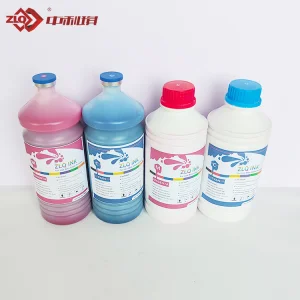
Regulatory frameworks (like REACH and Oeko-Tex Standard 100) are pushing global markets toward green manufacturing. Modern DTG machines use water-based pigment inks free from volatile organic compounds (VOCs). These inks dry faster, require less energy to cure, and consume minimal wash-water compared to traditional screen printing.
To compete directly with conventional rotary screen printing, digital printing is shifting toward single-pass architectures. In these configurations, the fabric moves under a stationary array of multiple printheads, allowing speeds that can exceed 60 linear meters per minute, making digital textile printing viable for mass-market production.
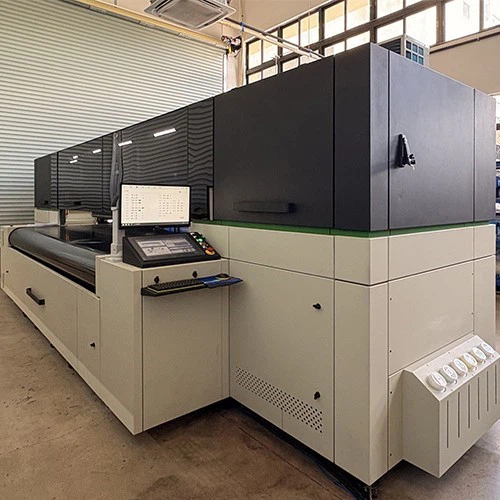
We are committed to promoting sustainability by helping businesses transition to digital printing, reducing waste, energy consumption, and improving resource efficiency. Through smart manufacturing, we aim to enhance operational efficiency and decision-making, driving the future of industrial production.
As we expand our global presence, DD-Tech continues to innovate and provide cutting-edge digital printing solutions. Our mission is to lead the digital inkjet printing revolution, supporting businesses in achieving higher productivity and profitability while contributing to a sustainable future.
Our multi-layer technical strategy integrates hardware design with chemical formulation and cloud-based diagnostics. This enables us to monitor system telemetry remotely, allowing us to perform preventive maintenance before printhead wear affects output quality.
Tailored operational configurations designed for diverse global production requirements.
Scenario: High-mix, low-volume fulfillment setups for direct-to-consumer apparel brands.
Solution: A compact array of multi-head DTG printers integrated with automated web-to-print systems. Our software routes design files directly to the queue, while automatic height sensors adjust for fabric thickness, allowing fast turnaround times on customized garments.
Scenario: Traditional textile mills transitioning from screens to digital print lines.
Solution: Large-format roll-to-roll DTG printing systems equipped with 16+ printhead arrays. These setups handle heavy roll feeding, integrated washing, and continuous belt dryers, matching screen-printing outputs with lower setup times and reduced design limitations.
Scenario: Rapid production of corporate merchandise, canvas tote bags, and custom accessories.
Solution: Flatbed UV and DTG printers featuring quick-swap platens. These systems print on a variety of cotton, canvas, and blended substrates in a single pass, maximizing productivity for regional fulfillment centers.
Important technical and logistical considerations for importing industrial printing equipment from China.
Answers to common technical, structural, and procurement inquiries from global buyers.
High-speed production machinery, color formula systems, and spare parts designed to scale your operations.
 DD-Tech Print