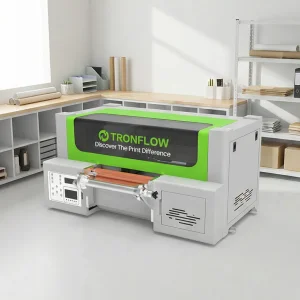
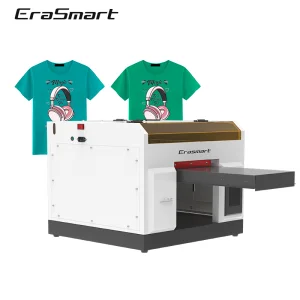
Highly-efficient closed-loop refill solutions, large-format digital dye sublimation systems, and robust direct-to-garment printers optimized for clean-tech manufacturing operations.
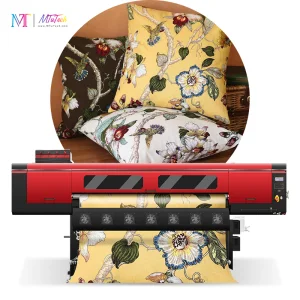
Zhuhai DD-Tech Print Equipment Co., Ltd. is an established global leader specializing in the comprehensive research, development, manufacturing, sales, and cross-border servicing of high-speed industrial digital inkjet printing systems. Operating from our state-of-the-art facilities in Zhuhai, China, we design systems engineered specifically to enhance product quality, operational reliability, and environmental sustainability.
By transitioning industrial printing operations from analog configurations to state-of-the-art digital inkjet deployments, we enable global entities within the packaging, textile, building materials, and electronics components sectors to reduce physical waste, eliminate redundant processing stages, and drive production footprints closer to absolute net-zero thresholds.
A multi-layered look into how industrial inkjet technology is lowering the carbon threshold for high-throughput printing operations globally.
Our proprietary printhead algorithms optimize droplet size down to 3.5 picoliters. This significantly reduces overall ink consumption and shortens dry times, saving thermal curing energy across production lines.
We are phasing out traditional solvent systems in favor of water-based and UV-LED cured pigment systems. These formulations eliminate harmful volatile organic compounds (VOCs), ensuring safe plant operations.
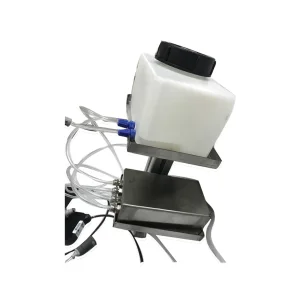
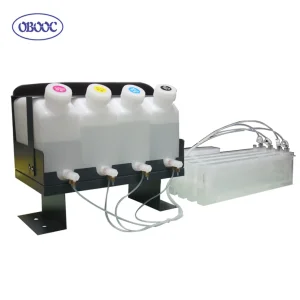
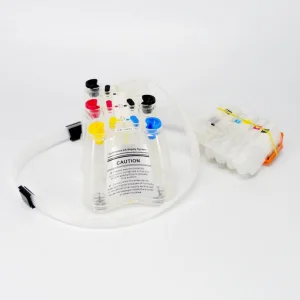
By implementing closed-loop Continuous Ink Supply Systems (CISS) with high-efficiency pressure valves, we mitigate ink exposure to ambient air, preventing crystallization and reducing maintenance waste by up to 92%.
By deploying low-energy variable UV-LED curing assemblies alongside our piezoelectric printhead frameworks, DD-Tech installations save up to 40% more electricity than conventional mercury-vapor lamp curing systems, achieving direct compliance with the strictest global carbon policies.
How DD-Tech delivers scalable digital solutions across diverse processing markets worldwide.
| Industrial Vertical | Common Process Bottlenecks | DD-Tech Eco-Friendly Solution | Decarbonization Benefit |
|---|---|---|---|
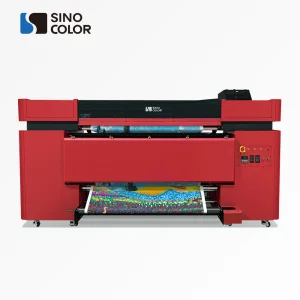
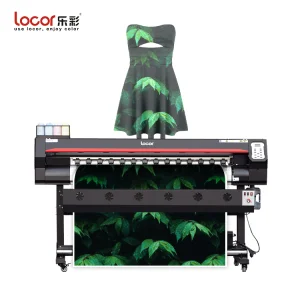
| Textiles & Apparel | Extreme water consumption & toxic dye discharges. | Dye sublimation roll-to-roll (1.8m - 3.2m configurations). | Dry process operation; eliminates waste-water contamination completely. |
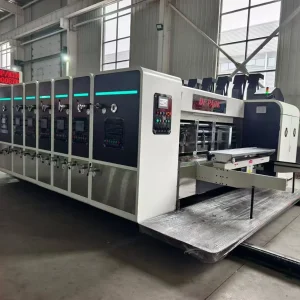
| Packaging & Corrugated Paper | Extensive plate setup time & heavy localized ink runs. | Single-pass UV-LED Inkjet systems with instantaneous drying. | Zero plate waste; precise ink placement limits substrate saturated losses. |
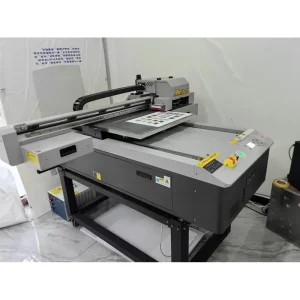
| Construction & Building Materials | Heavy screen wear, slow setup & limited pattern changes. | Multi-axis flatbed UV 3D effect printing systems (6090 - A2 layouts). | Direct physical substrate deposition minimizes masking paper and film run-offs. |
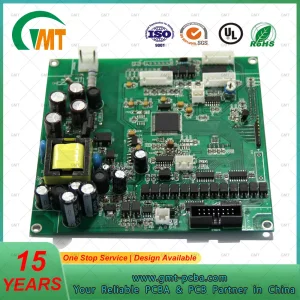
| Electronics Manufacturing | Complex trace routing & component soldering defects. | Specialized PCBA assembly & protective coating application. | Clean-room safe processes that eliminate harmful chemical washes. |
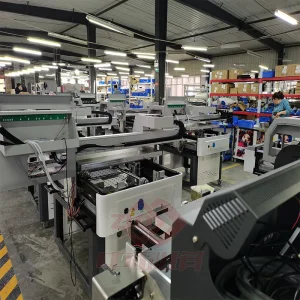
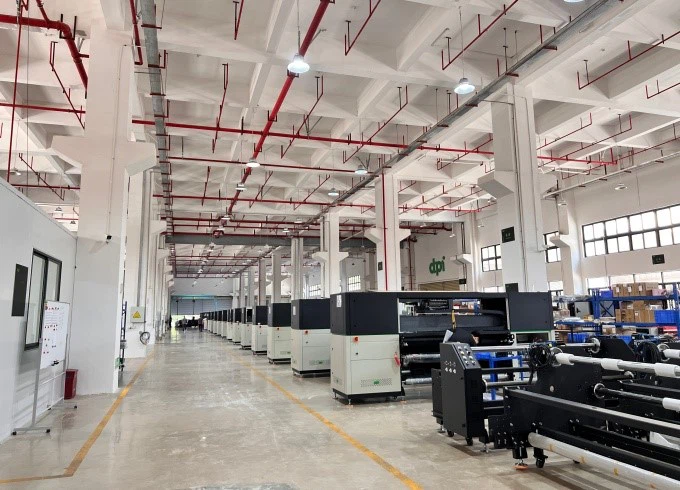
Our main manufacturing base in Zhuhai, China, is built on intelligent Industry 4.0 principles. We combine smart automated assembly lines with comprehensive digital testing to guarantee high precision in printhead alignment and ink system calibration.
Predictive Quality Assurance: Every single machine undergoes rigorous continuous testing protocols before shipping. Our smart diagnostics run the equipment under extreme simulated working conditions to prevent component failure, extending the service life of our systems when deployed in high-capacity environments.
Integrated Component Sourcing: Because we control key parts of our supply chain—including our specialized electronics production—we protect clients from supply disruptions. We ensure long-term availability of critical printheads, logic controllers, and ink distribution components.
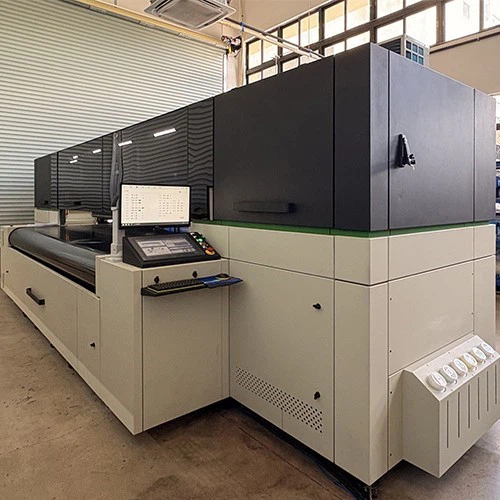
Providing robust regional support, clear engineering documentation, and strict international compliance for global enterprises.
Our factory processes conform to ISO 9001 quality management, CE electrical safety directives, and FCC emissions limits. We design systems that easily clear regional customs and safety audits.
We provide remote diagnostics, regular firmware updates, and direct engineering consultations. This keeps client equipment running smoothly with minimal downtime.
We configure ink systems, design custom frames, and modify control boards to meet the specific throughput requirements of corporate partners.
An evaluation checklist designed to help procurement managers balance initial investment, operating costs, and environmental targets.
When selecting industrial-grade digital inkjet hardware, evaluating raw output speed is only one part of the equation. To build a highly resilient, cost-effective, and future-proof production floor, industrial buyers must analyze the following parameters:
Answers to common technical, environmental, and operational questions from system integrators and production managers.
Continuous Ink Supply Systems (CISS) run on refillable tanks rather than single-use cartridges. This significantly reduces plastic waste and eliminates shipping emissions from single-cartridge packaging. CISS setups also minimize ink waste by allowing users to top off individual channels instead of replacing partially full cartridges.
UV-LED curing systems consume up to 40% less energy than mercury vapor lamps. They run cooler, allowing you to print on heat-sensitive substrates without warping. In addition, UV-LED systems start up instantly without warm-up delays and contain no heavy metals like mercury, making disposal much safer.
Solvent-based inks emit volatile organic compounds (VOCs) during drying, requiring heavy exhaust filtration. Water-based and sublimation inks use water as the carrier fluid, eliminating VOC emissions. This makes the work environment safer for operators and simplifies environmental compliance for your facility.
Modern printheads use piezoelectric pulses to control droplet sizes (down to 3.5 picoliters). This allows the system to use tiny droplets for fine details and larger ones for solid fills. The precise placement reduces total ink consumption while maintaining sharp text and smooth gradients.
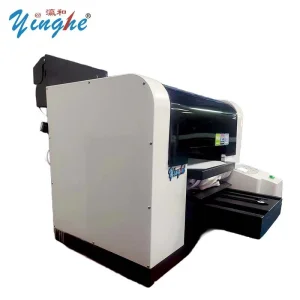
Dye-sublimation ink binds directly to synthetic fibers like polyester. To print on cotton, you need a Direct-to-Garment (DTG) system. DTG printers apply water-based pigment inks directly to pre-treated cotton fabrics, keeping the process clean and dry without heavy washing stages.
We design and manufacture our PCBA assemblies in-house, applying 15 years of industry experience. This vertical integration lets us test every circuit board for thermal tolerance and electromagnetic stability, ensuring reliable communication between the printer controllers and the printheads.
High-resolution UV LED flatbed systems, roll-to-roll high-speed dye sublimation units, and compact digital garment solutions for scaling sustainable print runs.
 DD-Tech Print