Advanced Industrial Equipment & Components Tailored for Global Scale Integration
How Modern Chinese Mega-Factories Drive the Global Digital Printing Shift
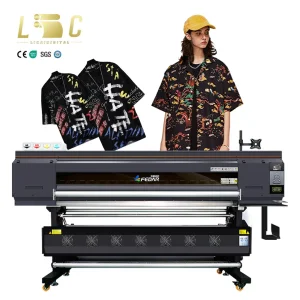
The manufacturing ecosystem of industrial digital printing systems in China has entered a new phase of modernization. The transition from component assembly centers to integrated technology innovators is driven by robust supply chain clustering. In localized zones like Zhuhai, Shenzhen, and Guangzhou, large format printer factories benefit from immediate proximity to precision tooling facilities, high-performance motherboard engineering labs, and advanced ink formulation centers.
This geographic consolidation yields several key competitive advantages:
Access to localized manufacturing of mechanical parts, guides, belts, and control modules reduces lead times by up to 40% compared to Western counterparts.
Proprietary software algorithms and customized printhead drivers ensure stable voltage control, reducing degradation and extending operational lifespans.
High-volume components sourcing and optimized assembly procedures reduce initial CAPEX while maintaining tight international tolerance standards.
The Evolution of Piezoelectric Technology, UV-Dtf, DTG, and Single-Pass Systems
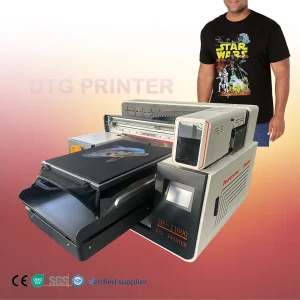
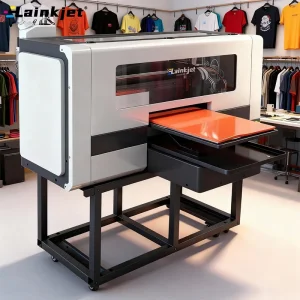
The garment decoration landscape has experienced a major transformation through DTG and DTF technologies. While DTG systems require pre-treatment to print directly on cotton fiber substrates, DTF systems utilize an intermediate PET film. This film is printed, coated with TPU powder, cured, and then heat-transferred to textiles. Modern factories now focus on automated ink degassing and continuous white ink circulation loops to prevent TiO2 pigment sedimentation, which is a common cause of nozzle clogging in low-grade systems.
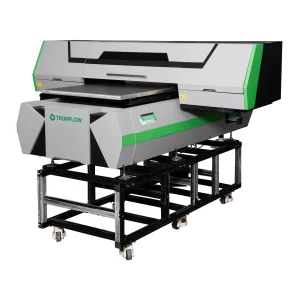
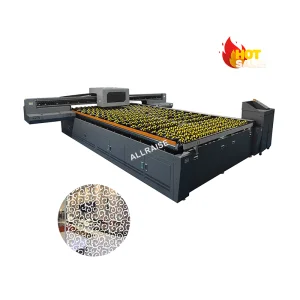
Industrial UV printing relies on photopolymerization. Photoinitiators in the ink react to UV radiation (typically from 395nm wavelength LED arrays) to cure ink instantly. This cross-linking process creates high-durability coatings directly on rigid substrates like glass, acrylics, and metal panels. The implementation of variable drop technology (grayscale printing via piezo-actuators) allows for tactile 3D relief printing, creating highly customized micro-textures on flat surfaces.
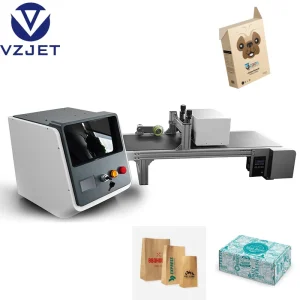
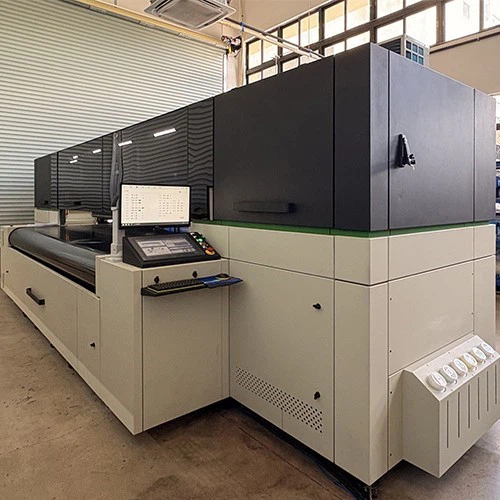
For packaging and industrial applications like corrugated coffee cups and cartons, scanning-type flatbeds are too slow. Single-Pass digital printers utilize static, modular printhead arrays spanning the entire width of the media. As the substrate passes under the array, the heads fire drops at frequencies up to 50 kHz. This allows line speeds of over 100 meters per minute, bringing the speed of digital printing close to traditional analog offset and flexo processes.
Zhuhai DD-Tech Print Equipment Co., Ltd. is a global leader specializing in the research, development, manufacturing, sales, and service of high-speed industrial digital inkjet printing systems. We provide advanced printing solutions for industries such as building materials, ceramics, textiles, and packaging, focusing on enhancing product quality, production efficiency, and sustainability.
Our R&D center is dedicated to advancing digital inkjet technology. With numerous patents in key areas like print head control, ink circulation systems, and color management algorithms, we leverage our proprietary technologies to offer high-performance industrial printers that meet the diverse needs of our global customers.
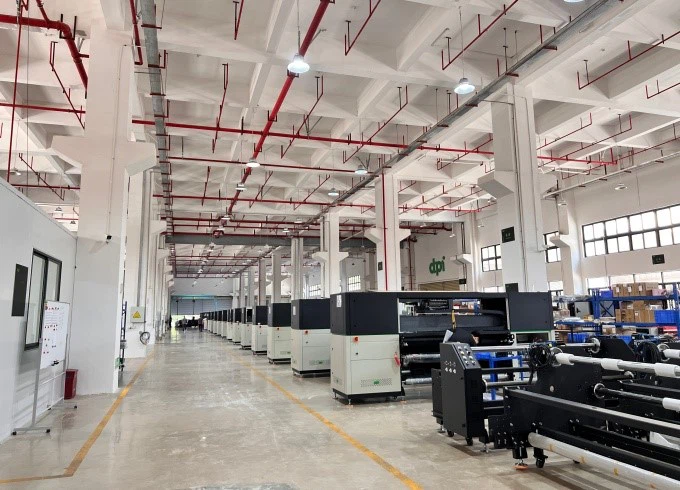
Our production base in Zhuhai, China, is equipped with state-of-the-art facilities and a stringent quality control system. Every product is meticulously assembled and tested by our professional team to ensure it meets the highest standards of performance and reliability. We incorporate intelligent manufacturing processes to optimize production efficiency and quality.
DD-Tech has obtained ISO 9001 certification and other industry-specific environmental and safety certifications, ensuring our products meet international quality and safety standards. Our numerous patents further highlight our technological strength in digital inkjet printing.
We are committed to promoting sustainability by helping businesses transition to digital printing, reducing waste, energy consumption, and improving resource efficiency. Through smart manufacturing, we aim to enhance operational efficiency and decision-making, driving the future of industrial production. As we expand our global presence, DD-Tech continues to innovate and provide cutting-edge digital printing solutions. Our mission is to lead the digital inkjet printing revolution, supporting businesses in achieving higher productivity and profitability while contributing to a sustainable future.
Key Performance Indicators Beyond the Initial Machine Purchase Price
Purchasing a large format printer is an investment that goes beyond the initial machine price. To maximize return on investment (ROI), global procurement teams need to evaluate the Total Cost of Ownership (TCO) across several areas:
Ensuring Regulatory Alignment for Seamless Customs & Factory Floor Operations
This standard ensures that manufacturing processes, raw materials, assembly lines, and final calibration procedures meet consistent quality levels, minimizing defects upon arrival.
These certifications confirm that electronic configurations, EMI shielding, high-voltage insulation, and emergency stop systems comply with European and North American safety standards.
With increasing environmental regulations, using low-VOC inks and compliance-certified print substrates is essential for textile products intended for consumer markets.
Expert Answers to Technical and Commercial Procurement Questions
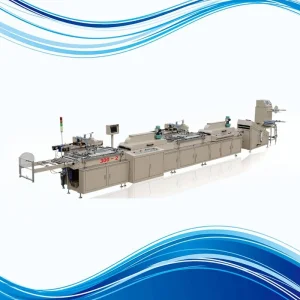
Complete Production Lines, Enameling Systems, Components, and Specialized Machinery
 DD-Tech Print