Featured spectral management systems engineered for real-time glaze formulation, batch stability, and inline digital printing control.
A comprehensive analysis of color measurement physics, digital inkjet drop behavior, and glaze chemical reaction dynamics under continuous high-temperature firing.
The manufacturing landscape of Encamp and the broader Southwestern European region is undergoing a profound paradigm shift. Positioned at the intersection of high-end architectural aesthetics, luxury porcelain tile production, and specialized industrial stoneware, facilities in Encamp face stringent quality benchmarks and environmental directives. Modern consumers and commercial architecture firms demand flawless batch-to-batch color consistency, dynamic tactile textures, and absolute visual fidelity under varying architectural light sources (e.g., standard LED 4000K, natural D65 daylight, and warm incandescent lighting).
Achieving this level of consistency in ceramic production is inherently complex due to the physicochemical phenomena of ceramic glazing and high-temperature thermal transformation. Unlike offset printing or textile dyeing—where pigments remain chemically inert on sub-surface layers—ceramic glazes undergo complex chemical reactions, glass phase formation, and pigment dissolution inside roller kilns at temperatures ranging from 1,150°C to 1,250°C. Slight fluctuations in kiln thermal profiles, oxygen partial pressure, or raw material mineral compositions inevitably induce color shifts (ΔE variation).
Information Gain Insight: Standard RGB or basic CIELAB color matching systems fail in industrial ceramic applications because they do not model thermal pigment reaction dynamics or multi-flux reflectance curves. Advanced Ceramic Color Management Software utilizes non-linear spectral fitting algorithms based on the Kubelka-Munk theory (K/S ratio optimization) customized for silicate chemistry.
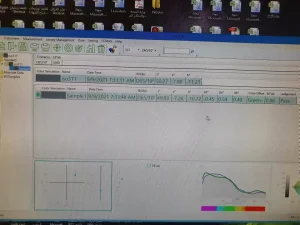
To eliminate manual trial-and-error glaze mixing—which accounts for thousands of lost production hours and high raw material scrap rates in Encamp plants—our proprietary software architecture integrates multi-flux spectral reflectance matching. The core algorithm calculates the absorption coefficient ($K$) and scattering coefficient ($S$) of each individual ceramic pigment across 36 discrete spectral bands from 360nm to 740nm wavelengths.
The generalized Kubelka-Munk equation applied in our engine is expressed as:
Where ci represents the mass concentration of the i-th ceramic ink or glaze pigment. However, because high-temperature firings cause glaze fluxes (such as feldspar, frit, and nepheline syenite) to react with metal oxides (Cobalt Aluminate, Iron Chromite, Praseodymium Yellow), our software incorporates a secondary non-linear compensation vector. This vector dynamically predicts the chemical reaction quotient during the peak soaking stage of the firing curve.
| Parameter / Metric | Traditional Manual Color Formulation | DD-Tech AI-Driven Spectral Closed-Loop Software |
|---|---|---|
| Average Formulation Time | 4.5 to 12 Hours (Multiple Kiln Test Passes) | Under 3 Minutes (Single Initial Calibration Pass) |
| Color Difference Tolerance (ΔE00) | ΔE00 1.2 – 2.5 (Visible Batch Inconsistency) | ΔE00 < 0.25 (Imperceptible to Human Eye) |
| Raw Material Ink/Glaze Scrap | High (15% - 25% Waste per Batch Change) | Near Zero (< 2% Waste via Precision Calculation) |
| Metamerism Index (MI) Control | Uncontrolled (Color shifts under indoor lighting) | Simultaneously optimized across D65, A, F11, TL84 |
| Integration with Piezo Electric Printheads | Manual Drop Volume Adjustment | Automated DoD Waveform & Drop Volume Mapping |
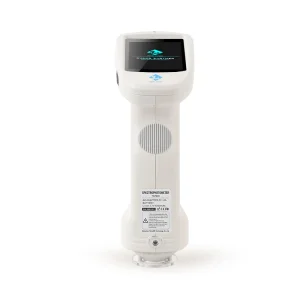
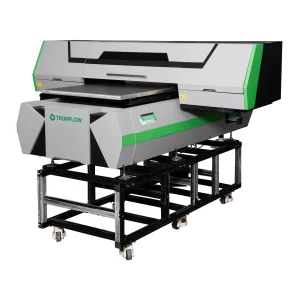
Software cannot act in isolation. True operational excellence in Encamp ceramic factories requires end-to-end telemetry between color management software, optical measurement hardware, and high-speed industrial digital inkjet printing machines. Our solution creates a real-time feedback loop connecting high-resolution spectrophotometers (such as the 3nh TS7600 Grating Spectrophotometer) directly with industrial printhead controller boards (PCBA SMT assemblies) driving piezo-electric printheads (e.g., Epson I3200, Ricoh Gen5, Fujifilm Dimatix StarFire).
In-line spectrophotometers record real-time spectral curves off unfired or post-kiln ceramic tiles, instantly pushing delta adjustments back to the color engine.
Adjusts gray-scale drop volumes (picoliter control) across sub-channels in response to detected viscosity and environmental temperature variations.
Centralized cloud/on-prem server deploys calibrated color curves directly to multiple glaze lines across factory floors in Encamp.
European Union environmental regulations and localized green directives in Andorra/Encamp enforce strict operational guidelines on industrial chemical releases, heavy metal emissions, and carbon intensity per square meter of produced ceramic tile. Traditional color matching relies on heavy overuse of inorganic metal oxides (such as Cobalt, Nickel, and Cadmium compounds) to ensure visual density. This approach significantly inflates raw material costs while increasing hazardous industrial output.
Our Ceramic Color Management Software tackles this challenge via eco-optimized recipe optimization. The system's loss-function algorithm can be configured to prioritize minimal toxic oxide content while preserving tight color match limits (ΔE00 < 0.3). By minimizing pigment deposition thickness while optimizing optical scattering, ceramic manufacturers in Encamp achieve up to a 28% reduction in total ink consumption and lower thermal energy expenditure during firing cycles.
Zhuhai DD-Tech Print Equipment Co., Ltd. is a global leader specializing in the research, development, manufacturing, sales, and service of high-speed industrial digital inkjet printing systems. We provide advanced printing solutions for industries such as building materials, ceramics, textiles, and packaging, focusing on enhancing product quality, production efficiency, and sustainability.
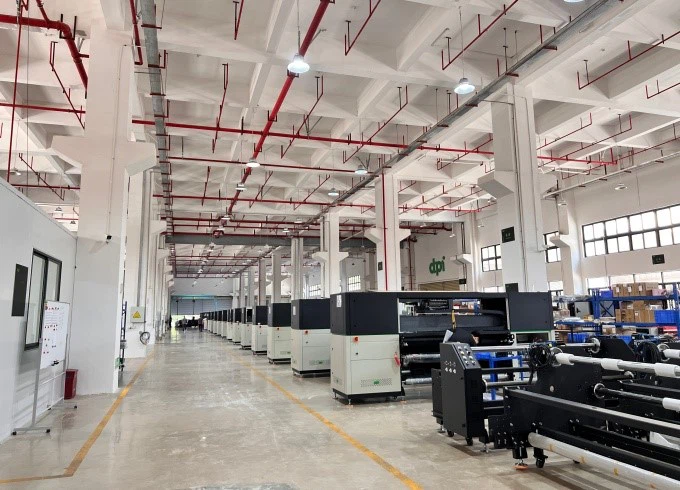
Our R&D center is dedicated to advancing digital inkjet technology. With numerous patents in key areas like print head control, ink circulation systems, and color management algorithms, we leverage our proprietary technologies to offer high-performance industrial printers that meet the diverse needs of our global customers.
Our production base in Zhuhai, China, is equipped with state-of-the-art facilities and a stringent quality control system. Every product is meticulously assembled and tested by our professional team to ensure it meets the highest standards of performance and reliability. We incorporate intelligent manufacturing processes to optimize production efficiency and quality.
DD-Tech has obtained ISO 9001 certification and other industry-specific environmental and safety certifications, ensuring our products meet international quality and safety standards. Our numerous patents further highlight our technological strength in digital inkjet printing.
We are committed to promoting sustainability by helping businesses transition to digital printing, reducing waste, energy consumption, and improving resource efficiency. Through smart manufacturing, we aim to enhance operational efficiency and decision-making, driving the future of industrial production.
As we expand our global presence, DD-Tech continues to innovate and provide cutting-edge digital printing solutions. Our mission is to lead the digital inkjet printing revolution, supporting businesses in achieving higher productivity and profitability while contributing to a sustainable future.
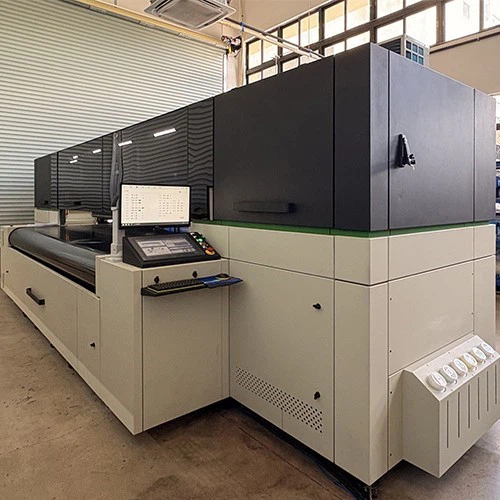
How combining Zhuhai’s advanced hardware manufacturing ecosystems with localized European technical deployment delivers unprecedented ROI for Encamp ceramic producers.
By operating our core manufacturing center in Zhuhai, China—a hub for high-precision SMT assembly, circuit board fabrication, and optical sensor assembly—DD-Tech maintains absolute control over equipment component quality. From industrial pure sine wave inverters for uninterrupted line power to custom PCBA BMS units for localized battery backup setups, our hardware hardware-software co-design ensures uninterrupted 24/7 kiln line operations.
We bridge global hardware scalability with localized on-site integration. Our technical engineers work closely with Encamp plant managers to perform spectral calibration, train local glaze chemists, optimize custom ink databases, and integrate REST API endpoints into existing enterprise ERP / MES systems for complete line traceability.
As ceramic manufacturing moves toward hyper-customization, micro-batches, and zero inventory models, the future of color management relies on real-time edge processing and generative spectral AI. DD-Tech’s engineering roadmap is focused on three critical innovation frontiers:
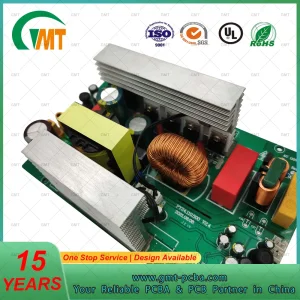
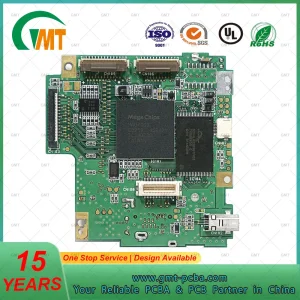
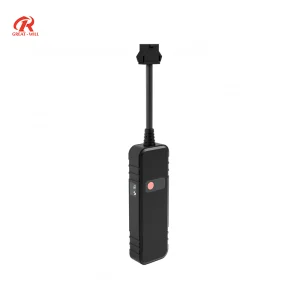
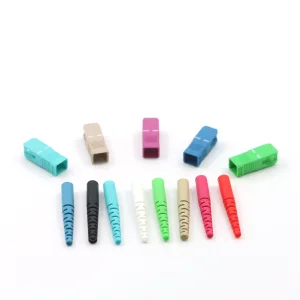
Explore our complete range of high-performance components, sorting equipment, tracking electronics, and power solutions powering modern automated factories.




Detailed answers addressing intent-based technical inquiries from plant engineers, procurement leads, and quality directors in Encamp.
Our software utilizes proprietary non-linear Kubelka-Munk algorithms combined with thermal reaction matrices. Instead of calculating color based purely on raw liquid ink reflectance, the system factors in the specific firing temperature curve, soaking duration, and atmospheric conditions (oxidizing vs. reducing) of your Encamp plant's roller kilns. This yields predictive formulation recipes with a delta E (ΔE00) under 0.25 after full thermal vitrification.
Yes. The platform provides native API integration and custom printhead controller communication protocols. It supports all leading industrial printhead driving electronics (including Epson I3200, Ricoh Gen5/Gen6, Fujifilm Dimatix, and Seiko head setups). Color profiles (ICC and multi-channel ink profiles) are directly transferred to line RIP servers or embedded PCBA driver units without manual re-keying.
We recommend high-precision grating spectrophotometers such as the 3nh TS7600. It features dual measuring apertures (8mm/4mm), standard D8/SCI+SCE geometries, and grating spectral resolution capable of measuring surface specular reflectance across 400nm–700nm wavelengths. The software natively pairs via USB/Ethernet to auto-calibrate measurement baseline readings.
By optimizing the multi-pigment formulation matrix, the software eliminates unnecessary high-cost oxide usage (e.g., Cobalt blue or Praseodymium yellow) while maintaining targeted optical density. In typical Encamp production lines, this yields a 15% to 28% reduction in raw pigment spend, drastically shortens shade-matching setup times from hours to minutes, and cuts raw material scrap during line changeovers to under 2%.
Zhuhai DD-Tech provides end-to-end deployment services. Our technical field engineers offer remote pre-audits, on-site software installation, local database creation using your plant's specific raw glazes and inks, and intensive training modules for your glaze chemists and production operators. Ongoing updates and 24/7 technical assistance ensure zero downtime for your production lines.
Absolutely. The software features built-in chemical compliance filters. Glaze chemists can flag restricted compounds or heavy metals, and the formulation engine will automatically recalculate color matching equations using approved eco-friendly pigments and low-VOC water-based digital inks, assisting Encamp manufacturers in satisfying EU environmental guidelines.
The software evaluates spectral curve overlap rather than relying on tri-stimulus values (XYZ) alone. During recipe generation, it calculates a Metamerism Index (MI) across multiple standard illuminants—such as D65 (daylight), A (incandescent), F11 (commercial LED), and TL84. The recipe generator selects pigment combinations that minimize metameric index shifts, ensuring tile color appearance remains identical across all retail or residential environments.
Standard software deployment, database generation, and hardware integration take between 5 to 10 business days. Due to immediate savings in pigment usage, elimination of scrap tile batches, and increased kiln uptime, most ceramic manufacturing clients in the region achieve complete return on investment (ROI) within 4 to 7 months of full system activation.
Partner with Zhuhai DD-Tech to deploy industry-leading spectral color management, digital printer calibration, and intelligent manufacturing automation.
Send Inquiry Now DD-Tech Print